
Men’s Hair Restoration Guide: Best Treatments That Work
Introduction: Why Men’s Hair Restoration Matters
Hair loss hits hard. It changes how you look in the mirror and, for many men, how you feel about yourself. You are not alone. <br>Male pattern baldness affects up to 85% of men by age 50. The good news? The field of men’s hair restoration has never been stronger than it is today.
This men’s hair restoration guide covers everything you need to know. Whether you are in the early stages of thinning or have been dealing with significant hair loss for years, this guide gives you a clear picture of all available treatment options. From simple daily medications to advanced surgical procedures, there is a path that fits your goal, your budget, and your lifestyle. Read on, and take the first step toward getting your hair back.
What Causes Hair Loss in Men?
Before you start any treatment, you need to understand why you are losing hair. The cause shapes the cure.
The most common reason is androgenetic alopecia, also known as male pattern baldness. It happens because of a hormone called dihydrotestosterone (DHT). DHT is a byproduct of testosterone. It binds to receptors in your hair follicles, especially those on the top and front of your scalp. Over time, this shrinks the follicles. They produce thinner and shorter hairs. Eventually, they stop producing hair altogether.
Genetics also plays a major role. If your father or grandfather went bald, there is a higher chance you will too. But genetics is not the only factor. Stress, poor nutrition, thyroid problems, and scalp inflammation can all speed up hair loss. Some men experience telogen effluvium, a temporary shedding phase triggered by physical or emotional shock. Understanding your specific hair loss type helps a doctor create the right men’s hair restoration plan for you.
The Norwood Scale: Know Your Hair Loss Stage
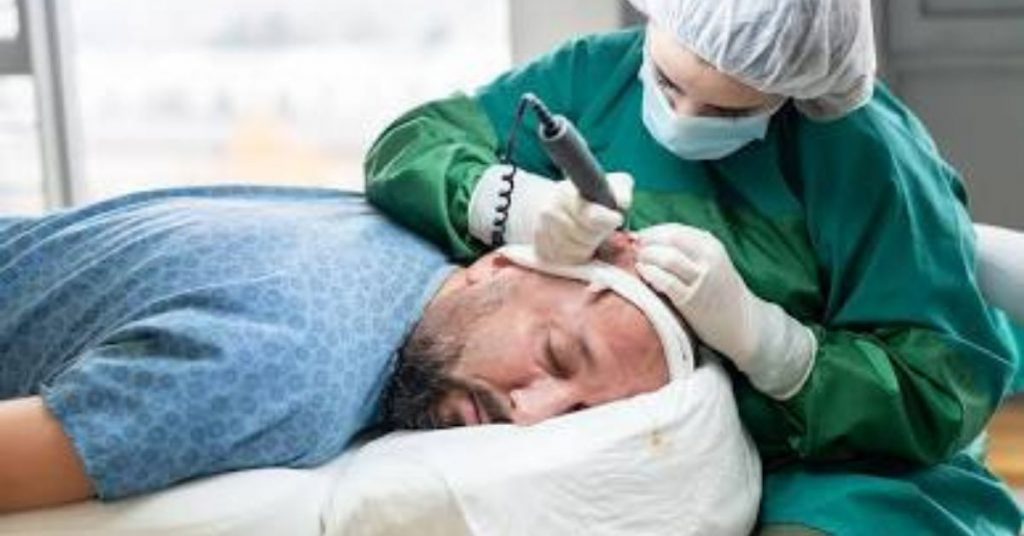
Doctors use the Norwood Scale to measure the stage of male pattern baldness. It runs from Stage 1 (no visible hair loss) to Stage 7 (almost complete baldness on top). Knowing your stage is important. It helps you and your doctor choose the right men’s hair restoration approach.
| Norwood Stage | Description | Best Treatment Options |
| Stage 1–2 | Slight hairline recession | Minoxidil, Finasteride |
| Stage 3 | Visible hairline recession and thinning | Minoxidil, Finasteride, PRP |
| Stage 4 | More significant loss at the crown and front | Medications + PRP or LLLT |
| Stage 5–6 | Wide bald areas on top | Hair Transplant (FUE or FUT) |
| Stage 7 | Severe baldness, limited donor hair | FUT, combination therapy |
Use this table as a starting point. Your doctor will give you a more precise assessment during a consultation.
Men’s Hair Restoration: Medications That Work
Minoxidil — The First Line of Defence in Men’s Hair Restoration
Minoxidil is one of the most widely used treatments in men’s hair restoration. It is available over the counter, which makes it easy to access. It comes in a topical form (applied directly to the scalp) and, more recently, as a low-dose oral pill.
Minoxidil works by boosting blood flow to the hair follicles. It extends the growth phase of each hair strand. Most men see noticeable results after three to six months of consistent use. The topical version costs around $50 for a three-month supply, making it one of the most affordable options in any men’s hair restoration plan.
One thing to keep in mind: minoxidil does not work on its own for everyone. When you first start, you may notice increased shedding. This is normal. It means the treatment is resetting your hair cycle. Stick with it. Side effects from topical minoxidil are generally mild — some scalp dryness, itching, or irritation. Oral minoxidil may cause mild fluid retention or headaches in some users.
Finasteride — Block DHT and Protect Your Follicles
Finasteride is a prescription medication and a powerful tool in men’s hair restoration. It works by blocking the enzyme that converts testosterone into DHT. Reducing DHT levels in the scalp, it slows down follicle miniaturisation and protects the hairs you still have.
Studies show that long-term use of finasteride for up to five years leads to significant hair growth and stable results in many men. It is an oral tablet taken once a day.
However, finasteride does carry some known side effects. A small number of men report reduced libido, dizziness, or mood changes. The FDA has issued warnings about topical compounded versions of finasteride, noting that systemic absorption can still occur. Always talk to a doctor before starting finasteride. It is not suitable for women and should be kept away from children.
Combining Minoxidil and Finasteride
Research shows that combining both medications delivers better results than using either one alone. A large retrospective study found that over 92% of men using a combined oral minoxidil and finasteride regimen achieved stable or improved hair density after 12 months. This combination is becoming a popular first step in many men’s hair restoration programmes.
Non-Surgical Men’s Hair Restoration Options
Platelet-Rich Plasma (PRP) Therapy
PRP therapy is a non-surgical hair restoration treatment for men that uses your own blood. A doctor draws a small blood sample, spins it in a centrifuge to concentrate the platelets, and then injects it into your scalp. Those platelets carry growth factors that stimulate dormant follicles.
PRP is a great choice for men who want a natural approach without drugs or surgery. Side effects are minimal because the treatment uses your own biological material. A typical PRP session costs between $1,500 and $3,500. Most men need multiple sessions spaced about a month apart.
One study comparing treatments found that PRP combined with finasteride produced a 16.8% improvement in hair density after six months — outperforming minoxidil combined with finasteride in the same timeframe.
Low-Level Laser Therapy (LLLT)
Low-Level Laser Therapy uses specific wavelengths of light to stimulate follicle activity. You can receive it in a clinic or use FDA-cleared at-home devices like laser caps or combs. LLLT boosts scalp blood circulation and encourages follicles to move into the active growth phase.
LLLT works best as a complement to other men’s hair restoration treatments like minoxidil or PRP. It is painless, non-invasive, and requires no downtime. At-home laser caps are a popular option for men who want ongoing treatment between clinical visits.
Surgical Men’s Hair Restoration: Hair Transplants
What Is a Hair Transplant?
A hair transplant is a surgical men’s hair restoration procedure. A surgeon takes healthy hair follicles from a donor area — usually the back or sides of the scalp — and moves them to the thinning or bald areas. The transplanted hairs grow naturally in their new location and are considered permanent.
Hair transplants are the most common plastic surgery procedure performed on men. They work for men in their 20s through to their 70s. The key is having a sufficient donor area with healthy follicles.
FUE vs FUT: Which Method Is Right for You?
The two main surgical techniques in men’s hair restoration are Follicular Unit Extraction (FUE) and Follicular Unit Transplantation (FUT). Both deliver excellent results, but they differ in technique, recovery, and cost.
| Factor | FUE | FUT |
| Technique | Individual follicles extracted | Strip of scalp removed |
| Scarring | Tiny circular scars (hidden by hair) | Linear scar at the donor site |
| Recovery time | Shorter | 1–7 days |
| Best for | Mild to moderate hair loss | Advanced hair loss, maximum grafts |
| Cost range | $7,000–$15,000 | $4,000–$15,000 |
| Stitches needed | No | Yes |
| Hair appearance post-op | The donor area may need shaving | No shaving required |
FUE is a minimally invasive technique. The surgeon uses a micro-punch to extract individual follicles. There are no stitches, and scarring is minimal. FUE is the most popular choice for men with mild to moderate hair loss who want a less visible recovery.
FUT involves removing a strip of skin from the donor area. The follicles are then separated from that strip and transplanted. FUT allows for a higher number of grafts in one session, making it ideal for men with more advanced hair loss. It is generally the more affordable option.
What to Expect After a Hair Transplant
Your transplanted hair will not grow immediately. In fact, it often sheds within the first few weeks — this is completely normal. The follicles settle into your scalp and begin a new growth cycle. Final results are typically visible nine to ten months after the procedure. Most men are thrilled with their outcomes.
Hair transplants do not prevent future hair loss in non-transplanted areas. For best results, combine surgery with medications like finasteride or minoxidil to slow ongoing hair loss.
How Much Does Men’s Hair Restoration Cost?
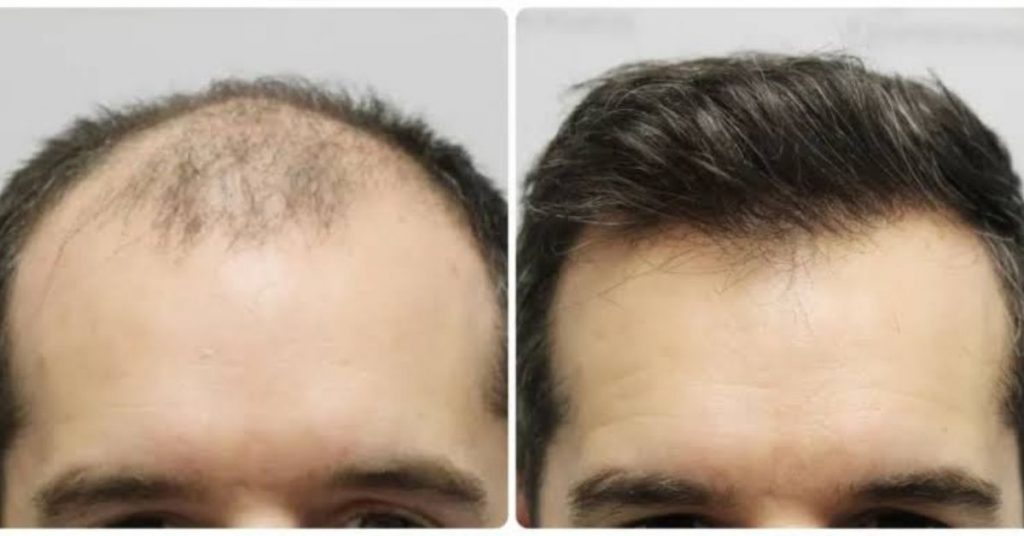
Cost is a major factor in choosing a men’s hair restoration path. Here is a clear breakdown of what you can expect to pay.
| Treatment | Cost Range | Duration / Sessions |
| Topical Minoxidil | ~$50 per 3 months | Ongoing daily use |
| Oral Minoxidil | ~$50–$100 per month | Ongoing daily use |
| Finasteride | ~$30–$80 per month | Ongoing daily use |
| PRP Therapy | $1,500–$3,500 per session | 3–6 sessions recommended |
| LLLT (in clinic) | $1,000–$3,000 per course | Monthly sessions |
| FUE Transplant | $7,000–$15,000 | One or more sessions |
| FUT Transplant | $4,000–$15,000 | One session typically |
Most health insurance plans do not cover hair restoration procedures since they are classified as cosmetic. However, many clinics offer financing plans through providers like CareCredit, making treatments more affordable with monthly payments.
Read for more info: https://styleshears.com/short-layered-haircuts-for-volume/
Natural Support for Men’s Hair Restoration
Surgery and medication are powerful, but your lifestyle habits also impact your hair health. Natural strategies work best when combined with clinical treatments.
Nutrition plays a huge role. Deficiencies in iron, vitamin D, biotin, and zinc can all slow hair growth. A diet rich in omega-3 fatty acids, leafy greens, eggs, nuts, and lean protein supports healthy follicles from the inside. Some men find supplements like Nutrafol helpful as a complement to clinical men’s hair restoration treatments.
Stress management matters too. High cortisol levels from chronic stress can trigger telogen effluvium, a type of temporary but heavy shedding. Regular exercise, quality sleep, and mindfulness practices all help regulate stress hormones. You cannot grow hair well on a body that is constantly in fight-or-flight mode.
Scalp health is often overlooked. A clean, well-moisturised scalp with good circulation supports follicle activity. Use gentle, sulfate-free shampoos. Avoid tight hairstyles that pull on the roots. Some men benefit from regular scalp massage, which can boost circulation in the scalp.
How to Choose the Right Men’s Hair Restoration Specialist
Not every clinic is the same. Choosing the right professional is one of the most important decisions in your men’s hair restoration journey.
Look for a surgeon or dermatologist who is board-certified and has experience specifically in hair restoration. Check their before-and-after photos. Read patient reviews. Ask about how many procedures they perform each year. A specialist who does hundreds of transplants annually will have finely tuned skills.
The International Society of Hair Restoration Surgery (ISHRS) warns patients not to prioritise price over credentials. Bargain-priced clinics, especially overseas, may cut corners on safety, hygiene, and graft quality. A hair transplant is a one-time investment in a limited resource — your donor hair. Do it right the first time with a qualified professional.
Ask during your consultation: What technique do you recommend for my case? How many grafts will I need? What are the realistic results I can expect? A good specialist will answer all of these questions clearly and honestly.
Emerging Treatments in Men’s Hair Restoration
The field of men’s hair restoration is moving fast. Several new treatments are showing great promise.
Clascoterone is a topical androgen receptor blocker currently in Phase III clinical trials. Early 2025 results showed up to a 539% improvement in hair count compared to a placebo. While that number sounds remarkable, it is important to note that these results compare to a placebo, not to existing proven treatments. Real-world performance may differ.
Exosome therapy is another emerging option. Exosomes are tiny particles that carry signals between cells. When applied to the scalp, they may stimulate dormant follicles and accelerate healing. Some clinics already offer this as an add-on to PRP or transplant procedures.
JAK inhibitors have shown results for alopecia areata, an immune-mediated form of hair loss, but their effectiveness for common male pattern baldness remains limited. Researchers continue to study their potential.
Stay informed, but be cautious of overpromising claims. The best approach today remains a combination of proven medications, professional procedures, and consistent care.
Conclusion: Start Your Men’s Hair Restoration Journey Today
Hair loss does not have to be permanent. The science of men’s hair restoration has come a long way, and today you have more options than ever before. Whether you start with a simple daily medication like minoxidil and finasteride, try a non-surgical approach like PRP or LLLT, or go for a permanent surgical fix with an FUE or FUT transplant, there is a path for every man and every budget.
The most important step is the first one: talk to a qualified hair restoration specialist. Get a proper diagnosis. Understand your Norwood stage. Build a personalised plan that fits your goals and your life.
Your hair can come back. Your confidence can come back. This men’s hair restoration guide gives you the knowledge to make it happen.
Frequently Asked Questions (FAQs)
1. At what age should men start men’s hair restoration treatment?
The earlier you start, the better. Hair loss is easier to slow down than to reverse. Many men in their early 20s already show signs of thinning. You can begin with medications like minoxidil and finasteride as soon as you notice shedding. For surgical options like transplants, most specialists recommend waiting until your mid-20s or later, when your hair loss pattern is more stable.
2. How long does it take to see results from men’s hair restoration treatments?
It depends on the treatment. Medications like minoxidil and finasteride typically show visible improvement after three to six months of consistent use. PRP therapy shows results after a series of sessions over three to six months. Hair transplant results become fully visible around nine to ten months after surgery. Patience is key with any men’s hair restoration treatment.
3. Is a hair transplant permanent?
Yes — transplanted hair follicles are taken from areas resistant to DHT. They continue to grow in their new location for life. However, a hair transplant does not stop you from losing non-transplanted hair in other areas. Combining your transplant with finasteride or minoxidil helps protect the rest of your hair.
4. Does health insurance cover men’s hair restoration procedures?
In most cases, no. Hair restoration is classified as a cosmetic procedure by most insurance providers. Exceptions may apply if hair loss results from a medical condition like burns, scarring, or alopecia areata. Many clinics offer flexible financing options to make procedures more accessible.
5. Can I combine different men’s hair restoration treatments?
Absolutely, and most specialists recommend it. Combining treatments often delivers the best results. For example, pairing finasteride with minoxidil blocks DHT while also boosting follicle activity. Adding PRP on top enhances natural regrowth. After a transplant, continuing medications protect existing hair. Your doctor will help you design the right combination for your specific situation.