
Anti-Frizz Hair Products: Your Complete Guide to Smooth Hair
What Are Anti-Frizz Hair Products?
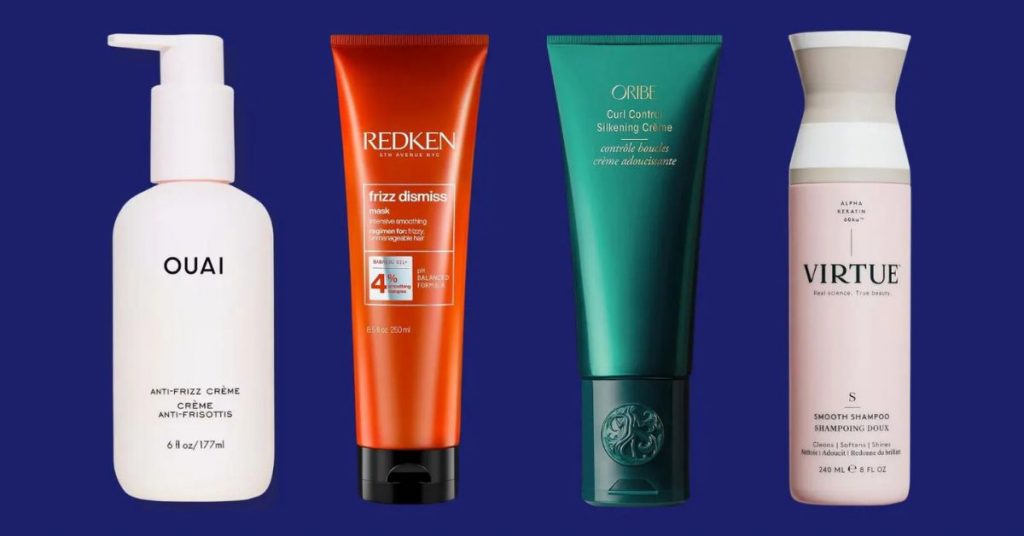
Anti-frizz hair products are specially made formulas that help you control and prevent frizzy hair. They smooth your hair cuticle and create a protective barrier against humidity. These products come in many forms.
You can find them as shampoos, conditioners, serums, sprays, creams, and masks. Each type serves a different purpose. Some clean your hair gently. Others lock in moisture and block humidity from entering your hair strands.
Frizz happens when your hair’s outer layer, called the cuticle, lifts. When the cuticle opens, moisture from the air enters the hair strand. This causes your hair to swell and look puffy or flyaway. Anti-frizz hair products work by sealing the cuticle back down.
They keep moisture locked inside your hair. At the same time, they stop outside humidity from causing damage. Whether you have curly, wavy, or straight hair, the right product can make a huge difference in how your hair looks and feels every day.
Why Does Your Hair Get Frizzy?
Understanding why frizz happens helps you choose the right anti-frizz hair products. Frizz is not random. It is a reaction your hair has to certain conditions. Here are the main causes of frizzy hair.
Humidity is the biggest enemy of smooth hair. When the air around you holds a lot of moisture, your hair absorbs that water. This makes your strands swell and lose their shape. People living in tropical or humid climates deal with this problem daily. Even a short walk outside can ruin a perfectly styled look.
Heat damage also plays a big role. Frequent use of blow dryers, flat irons, and curling wands damages the cuticle over time. Damaged cuticles stay raised and cannot lay flat on their own. This leaves your hair open to frizz at all times.
Chemical treatments like coloring, bleaching, and perming open the cuticle to change your hair’s structure. This process weakens your hair and makes it more porous. Porous hair absorbs humidity very quickly, which leads to more frizz.
Overwashing your hair strips away its natural oils. These oils form a protective layer on each strand. Without them, your hair dries out and becomes frizz-prone. Hard water with high mineral content also leaves deposits on your hair. These deposits block moisture and make your hair feel rough and dull.
Types of Anti-Frizz Hair Products
Not all anti-frizz hair products work the same way. Different types target frizz at different stages of your hair care routine. Choosing the right type depends on your hair texture, thickness, and styling habits. Here is a breakdown of the most common types.
Anti-Frizz Shampoos and Conditioners
Your frizz-fighting routine starts in the shower. Anti-frizz shampoos clean your hair without stripping its natural oils. Most experts recommend sulfate-free formulas.
Sulfates are harsh detergents that dry out your hair and raise the cuticle. A good anti-frizz shampoo uses gentle cleansers and hydrating ingredients like argan oil or coconut oil.
Anti-frizz conditioners follow up by adding moisture back into your hair. They smooth the cuticle and make your hair easier to detangle. Look for conditioners with ingredients like keratin, shea butter, or jojoba oil.
These ingredients nourish your hair from the inside and create a smoother surface. Use conditioner on your mid-lengths and ends. Avoid applying it to your scalp, as it can weigh down your roots.
Anti-Frizz Serums and Oils
Serums and oils are leave-in products that you apply after washing your hair. They coat the surface of each strand with a thin, protective layer. This layer blocks humidity and adds shine to your hair. Anti-frizz serums work best for people with fine or straight hair. They are lightweight and do not weigh your hair down.
Hair oils like argan oil, coconut oil, and jojoba oil are better for thicker or coarser hair. They provide deeper nourishment and help seal moisture into the hair shaft. A few drops on damp hair go a long way. Apply these products to the mid-lengths and ends to avoid greasy roots.
Anti-Frizz Sprays
Sprays are the most versatile type of anti-frizz hair products. They work well on all hair types. You can use them on damp hair before styling or on dry hair for midday touch-ups. Many anti-frizz sprays contain humidity-blocking polymers.
These polymers create a flexible shield around each strand. Some sprays offer protection for up to 72 hours, even in high humidity.
Anti-frizz sprays are also great for protecting blowouts. They keep your styled hair looking sleek and smooth throughout the day. If you have fine hair, sprays are your best friend. They add frizz control without any heaviness.
Anti-Frizz Creams and Leave-In Conditioners
Creams and leave-in conditioners provide richer moisture. They work best for curly, coily, or thick hair types. These products help define curls while keeping frizz under control. They add softness and manageability to hair that tends to be dry or rough.
Apply creams to damp hair and distribute them evenly using your fingers or a wide-tooth comb. Leave-in conditioners offer ongoing moisture throughout the day. They also help with detangling and reduce breakage. If your hair feels dry and stiff, a good cream or leave-in conditioner can transform its texture.
Anti-Frizz Hair Masks
Hair masks are deep conditioning treatments that you use once or twice a week. They deliver intense hydration to your hair and repair damage caused by heat, chemicals, or environmental factors. A good mask can smooth even the most stubborn frizz.
Apply the mask after shampooing and leave it on for the recommended time. Most masks need five to ten minutes to work. Some can be left on overnight for even deeper results.
Look for masks with ingredients like hyaluronic acid, silk proteins, or avocado oil for the best frizz-fighting benefits.
Key Ingredients to Look for in Anti-Frizz Hair Products
The ingredients inside your anti-frizz hair products matter more than the brand name. Some ingredients smooth the cuticle. Others add moisture. And some create a barrier against humidity. Here are the most effective ingredients you should look for.
| Ingredient | What It Does | Best For |
| Argan Oil | Hydrates and adds shine | All hair types |
| Keratin | Repairs and strengthens cuticle | Damaged or chemically treated hair |
| Coconut Oil | Penetrates hair shaft for deep moisture | Thick or coarse hair |
| Silicones (Dimethicone) | Coats strands and blocks humidity | Fine to medium hair |
| Shea Butter | Provides rich moisture and softness | Curly or coily hair |
| Glycerin | Attracts moisture to hair | Dry hair in low-humidity climates |
| Jojoba Oil | Mimics natural scalp oils | All hair types, especially dry hair |
| Silk Proteins | Smooths cuticle and adds shine | Fine or thin hair |
| Panthenol (Vitamin B5) | Retains moisture and adds volume | All hair types |
Argan oil is often called liquid gold in the hair care world. It is lightweight enough for fine hair but nourishing enough for thick strands. It does not leave a greasy feel and works well in serums, shampoos, and conditioners.
Keratin is a protein that your hair naturally contains. Over time, heat and chemicals break down this protein. Keratin-infused products replace what is lost. They fill in gaps in the cuticle and make your hair smoother and stronger.
Silicones like dimethicone coat the hair surface with a thin film. This film blocks humidity from entering while locking in your hair’s natural moisture.
Some people avoid silicones because of buildup concerns. However, newer formulas use lightweight or water-soluble silicones that rinse out easily.
Ingredients You Should Avoid
Not all ingredients help your hair. Some actually make frizz worse over time. Stay away from these when shopping for anti-frizz hair products.
Sulfates strip your hair of its natural oils. They leave your hair dry, rough, and more prone to frizz. Look for labels that say “sulfate-free” when choosing shampoos.
Short-chain alcohols like isopropyl alcohol and ethanol dry out your hair quickly. They evaporate fast and take moisture with them. Note that not all alcohols are bad. Fatty alcohols like cetyl alcohol and cetearyl alcohol actually help moisturize your hair.
Sodium chloride (salt) dehydrates your hair and makes it brittle. Many shampoos contain salt as a thickening agent. If your hair is frizz-prone, choose products without it.
Read more for info: https://styleshears.com/best-shampoo-for-hair-loss/
How to Choose the Right Anti-Frizz Hair Products for Your Hair Type
Your hair type determines which anti-frizz hair products will work best for you. Using the wrong product can leave your hair too heavy, too greasy, or still frizzy. Here is a simple guide to help you choose.
| Hair Type | Best Product Types | Recommended Ingredients |
| Fine/Thin Hair | Lightweight sprays, serums | Silicones, silk proteins |
| Medium/Wavy Hair | Sprays, light creams, serums | Argan oil, keratin |
| Thick/Coarse Hair | Rich creams, oils, masks | Coconut oil, shea butter |
| Curly/Coily Hair | Creams, leave-in conditioners, masks | Shea butter, jojoba oil, glycerin |
| Color-Treated Hair | Sulfate-free formulas, gentle serums | Keratin, argan oil, panthenol |
Fine hair gets weighed down easily. Heavy creams and oils make it look flat and greasy. Stick to lightweight sprays and serums that add control without removing volume.
Thick or coarse hair needs more moisture. Rich creams and deep conditioning masks work best. These products penetrate the hair shaft and provide long-lasting hydration. Oils like coconut oil are excellent for sealing in moisture.
Curly and coily hair has a naturally raised cuticle structure. This makes it more prone to dryness and frizz. Layer your products starting with a leave-in conditioner, then seal with a cream or oil. This method locks in moisture and defines your curls at the same time.
Color-treated hair has a weakened cuticle from the coloring process. It needs gentle, sulfate-free products with repair-focused ingredients like keratin and panthenol.
How to Use Anti-Frizz Hair Products the Right Way
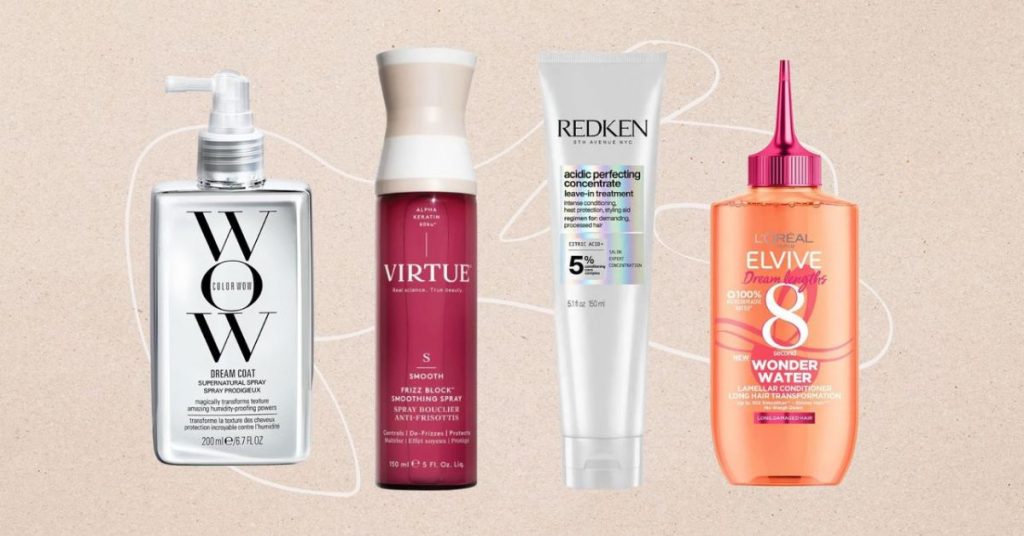
Buying the right anti-frizz hair products is only half the battle. How you apply them matters just as much. Follow these steps for the best results.
Start with a sulfate-free shampoo. Wash your hair gently without rubbing it aggressively. Focus the shampoo on your scalp and let it rinse through your lengths. This cleans without stripping your natural oils.
Apply conditioner from mid-length to ends. Let it sit for two to three minutes before rinsing. This gives the ingredients time to penetrate your hair.
Use a microfiber towel to dry your hair. Regular towels create friction that lifts the cuticle and causes frizz. Pat your hair gently instead of rubbing it.
Apply your leave-in product to damp hair. Whether you use a serum, spray, or cream, damp hair absorbs products better than dry hair. Distribute the product evenly using your fingers or a wide-tooth comb.
Layer your products in the right order. If you use multiple products, follow this sequence: leave-in conditioner first, then heat protectant, followed by anti-frizz spray, and finally any styling cream or oil. This helps each product work more effectively.
Limit heat styling. Use the lowest heat setting possible on your tools. Always apply a heat protectant before using any hot tool. Air drying is the gentlest option when you have time.
Natural Remedies That Work as Anti-Frizz Hair Products
You do not always need store-bought products to fight frizz. Some natural remedies work just as well. Many people prefer these options because they are free from chemicals and gentle on all hair types.
An apple cider vinegar rinse helps smooth the cuticle and restore your hair’s natural pH balance. Mix one part apple cider vinegar with two parts water. Pour it over your hair after shampooing. Let it sit for a minute and then rinse. Your hair will feel softer and look shinier.
Aloe vera gel is a natural moisturizer and smoothing agent. Apply fresh aloe vera gel to damp hair and let it dry. It reduces frizz without leaving any sticky residue.
Coconut oil is a classic natural remedy for frizzy hair. Warm a small amount in your hands and apply it to your ends. It penetrates the hair shaft and provides deep moisture. Use it as an overnight treatment for even better results.
Honey is a natural humectant. It pulls moisture from the air into your hair. Mix honey with your conditioner for a hydrating boost that fights frizz naturally.
Anti-Frizz Hair Products for Different Seasons
Frizz does not take a break during any season. The causes just change. Adjusting your anti-frizz hair products throughout the year keeps your hair smooth no matter what the weather brings.
Summer and humid months bring the most frizz. Humidity levels rise, and your hair absorbs excess moisture from the air. Use lightweight sprays with humidity-blocking polymers during these months.
Anti-humidity sprays create an invisible shield that repels moisture. Keep a travel-size spray in your bag for midday touch-ups.
Winter and cold months bring dry air and static. Indoor heating removes moisture from the air, which dries out your hair. Switch to richer creams, oils, and deep conditioning masks during winter.
These products add back the moisture your hair loses. Be careful with wool hats and scarves. They create friction that raises the cuticle and causes frizz.
Rainy seasons expose your hair to unexpected bursts of moisture. A good anti-frizz serum applied before you leave the house adds a protective layer. Look for water-resistant formulas that maintain their hold even when your hair gets damp.
Common Mistakes People Make with Anti-Frizz Hair Products
Even the best anti-frizz hair products will not work if you use them incorrectly. Many people make simple mistakes that actually make their frizz worse. Avoid these common errors.
Using too much product weighs your hair down and makes it look greasy. A little goes a long way with most anti-frizz formulas. Start with a small amount and add more only if needed.
Applying products to dry hair reduces their effectiveness. Most leave-in treatments work best on damp hair. The moisture in your hair helps the product distribute evenly and absorb properly.
Skipping heat protectant before styling with hot tools is a major mistake. Heat damage is one of the leading causes of frizz. Always shield your hair before using a blow dryer, flat iron, or curling wand.
Washing your hair too often strips away its natural protective oils. Most hair types do well with washing two to three times per week. Overwashing leads to dryness, which leads to more frizz.
Ignoring your hair type when shopping for products leads to poor results. A cream made for thick, coily hair will flatten fine hair. A lightweight spray designed for fine hair will not provide enough moisture for thick curls. Always match your products to your specific hair type.
Latest Trends in Anti-Frizz Hair Products
The world of anti-frizz hair products keeps getting better. New technology and cleaner ingredients make these products more effective than ever before.
Bond-building polymers are a game-changer. These ingredients reinforce weak spots along the cuticle using peptides and amino acids. They improve your hair’s alignment and shine while reducing frizz. This technology repairs damage at a deeper level than traditional smoothing products.
Humidity shields 2.0 use crosslinking films that activate with blow-dryer heat. They create flexible barriers that resist frizz for 24 to 72 hours. Even a gym session or a walk in the rain will not break down their protection.
Biodegradable alternatives are replacing traditional silicones. Plant-derived esters and lightweight polyquaterniums offer the same smoothing benefits without environmental concerns. These ingredients wash out easily and do not build up on your hair.
Micro-encapsulated silicones spread more evenly across your hair. They reduce buildup and rinse out cleaner than older silicone formulas. These work especially well for fine hair that needs smoothing without heaviness.
Conclusion
Anti-frizz hair products give you the power to take control of your hair. Frizz does not have to be a daily struggle. When you understand what causes frizz and how different products work, choosing the right solution becomes easy.
Start with a gentle, sulfate-free shampoo and conditioner. Add a leave-in treatment that matches your hair type. Protect your hair from heat and humidity with the right serum or spray. Use deep conditioning masks weekly for extra moisture.
Remember that consistency matters more than any single product. Build a routine and stick to it. Your hair will reward you with smoother, shinier, and more manageable results over time.
Whether you prefer natural remedies or the latest formulas with bond-building technology, there is an anti-frizz hair product out there that is perfect for you.
FAQs About Anti-Frizz Hair Products
What are the best anti-frizz hair products for curly hair?
Curly hair benefits most from rich creams, leave-in conditioners, and deep conditioning masks. Look for products with shea butter, jojoba oil, and glycerin.
These ingredients provide deep moisture and help define curls without weighing them down. Avoid lightweight sprays alone, as curly hair needs more hydration than they can provide.
How often should I use anti-frizz hair products?
You can use leave-in serums, sprays, and creams daily without any problem. Use deep conditioning masks once or twice a week for the best results.
Wash your hair with anti-frizz shampoo and conditioner two to three times per week. Overwashing strips natural oils and makes frizz worse.
Can anti-frizz hair products damage my hair?
Most anti-frizz hair products are safe for regular use. However, products with heavy silicones can build up over time if you do not use a clarifying shampoo occasionally.
Use a clarifying shampoo once every two weeks to remove any buildup. Always choose products that match your hair type to avoid unnecessary weight or dryness.
Do natural anti-frizz remedies really work?
Yes, natural remedies like coconut oil, aloe vera gel, and apple cider vinegar rinses can effectively reduce frizz. They are gentle and free from harsh chemicals.
However, they may not provide the same long-lasting humidity protection as specially formulated products. Many people combine natural remedies with store-bought products for the best results.
What ingredient should I avoid if I have frizzy hair?
Avoid sulfates, short-chain alcohols, and sodium chloride in your hair products. Sulfates strip natural oils and dry out your hair. Short-chain alcohols evaporate quickly and take moisture with them. Salt dehydrates your strands. Always read ingredient labels before buying any hair product.