
Hair Care Routine: The Ultimate Guide to Healthy Hair
Why a Hair Care Routine Matters for Your Hair Health
Your hair speaks volumes about your overall health. A good hair care routine can transform dull, damaged hair into strong, shiny locks. Many people skip basic hair care steps. They wonder why their hair looks lifeless or breaks easily. The truth is simple. Great hair does not happen by accident. It happens when you follow a consistent routine.
A proper hair care routine protects your hair from daily damage. Pollution, heat, sun exposure, and harsh chemicals all attack your hair every single day. Without the right routine, your hair loses moisture, strength, and shine over time. On the other hand, a well-planned routine keeps your scalp clean, your strands nourished, and your hair looking its best.
One of the best parts is that you won’t need dozens of expensive items. All you need to do is follow the right steps in the right order. Whether you have straight, wavy, curly, or coily hair, a solid hair care routine gives your hair everything it needs. In this guide, you will learn exactly how to build a routine that works for your specific hair type and goals.

Understanding Your Hair Type Before Starting a Hair Care Routine
Before you pick any product or follow any trend, you need to know your hair type. Your hair type determines how you should wash, condition, and style your hair. It is possible to do more harm than good by using the wrong products or techniques. This is why understanding your hair is the first step in any hair care routine.
The types of hair range from Type 1 (straight) to Type 4 (coily). Each type behaves differently and needs different care. Straight hair tends to get oily fast because scalp oils travel easily down the smooth strands.
Curly and coily hair stays drier because the twists and turns in the strand slow down oil movement. Wavy hair sits somewhere in the middle and needs a balance of moisture and lightweight products. Beyond texture, you should also understand your hair’s porosity. Your hair’s porosity determines how well it absorbs and retains moisture.
High-porosity hair soaks up products quickly but loses moisture just as fast. Low-porosity hair resists absorbing moisture. Knowing this helps you choose the right conditioners and treatments for your hair care routine.
| Hair Type | Texture | Common Needs | Washing Frequency |
| Type 1 (Straight) | Smooth, flat | Volume, oil control | Every 1-2 days |
| Type 2 (Wavy) | S-shaped waves | Frizz control, light moisture | Every 2-3 days |
| Type 3 (Curly) | Bouncy spirals | Deep moisture, definition | Every 3-4 days |
| Type 4 (Coily) | Tight coils | Intense moisture, gentle handling | Every 5-7 days |
Step-by-Step Hair Care Routine for Healthy Hair
Building an effective hair care routine does not need to feel overwhelming. You can break it down into simple, clear steps. Each step plays an important role in keeping your hair healthy and strong. Follow these core steps every wash day for the best results.
Step 1: Oil Your Hair Before Washing
Hair oiling is a powerful step that many people skip. Applying oil before you wash creates a protective barrier around your strands. In this way, too much natural moisture is not stripped away by the shampoo.
Lightweight oils like coconut oil, argan oil, or almond oil work great for most hair types. For straight hair, use just a small amount of oil on your scalp. Wavy and curly hair benefits from applying oil through the lengths and ends.
Leave the oil on for at least 30 minutes before washing. Some people prefer to oil their hair overnight for deeper nourishment. This simple addition to your hair care routine can reduce breakage and boost shine.
Step 2: Shampoo the Right Way
Shampooing is the foundation of every hair care routine. But most people do it wrong. You should apply shampoo only to your scalp, not the lengths of your hair. Your scalp collects oil, dirt, and product buildup. The lengths get clean naturally when you rinse the shampoo out.
Choose a sulfate-free shampoo if you have dry, color-treated, or sensitive hair. Sulfate-free formulas clean gently without stripping natural oils. If you have an oily scalp, a clarifying shampoo once a week removes stubborn buildup. Hot water should never be used instead of lukewarm water. Hot water dries out your strands and irritates the scalp.
Most hair types do well with washing two to three times per week. Over-washing strips your hair of its natural oils. Your scalp then produces even more oil to compensate. This creates a cycle of greasy hair and constant washing. Find a schedule that keeps your scalp clean without overdoing it.
Step 3: Condition Your Hair Properly
Conditioner is not optional. It restores moisture, reduces tangles, and protects your hair from damage. Apply conditioner from the mid-lengths to the ends of your hair. Avoid putting conditioner directly on your scalp. This can weigh down your roots and make your hair look greasy.
People with fine or thin hair should use a lightweight conditioner. Those with thick, curly, or coily hair benefit from a richer, cream-based formula. Leave the conditioner on for two to three minutes before rinsing. For extra softness, rinse with cool water. Cool water seals the hair cuticle and locks in moisture. This gives your hair a smoother, shinier finish.
Step 4: Apply a Leave-In Treatment or Serum
After washing, your hair needs a little extra protection. A leave-in conditioner or hair serum adds a layer of moisture and shields your hair from environmental damage. This step is especially important if you use heat tools or spend time outdoors.
For straight and fine hair, choose a lightweight serum. Apply just one or two drops to the ends. Wavy and curly hair does better with a leave-in cream or spray that defines texture and fights frizz. This step in your hair care routine keeps your hair hydrated and manageable throughout the day.
Step 5: Protect Your Hair from Heat
Heat styling tools like flat irons, curling wands, and blow dryers can cause serious damage if you use them without protection. If you are going to use a hot tool, make sure you apply a heat protectant spray first. Heat protectants create a barrier that reduces moisture loss and prevents the cuticle from cracking.
Better yet, limit how often you use heat tools. Try heatless styling methods like braids, foam curlers, or the plopping technique for curls. These methods give you beautiful styles without the damage. If you use heat styling, choose the lowest effective temperature. Your hair will thank you.
Weekly Hair Care Routine: Deep Treatments and Masks
Your daily hair care routine covers the basics. But your hair also needs deeper care once a week. Weekly treatments repair damage, restore moisture, and strengthen your strands from the inside out. Think of them as a reset button for your hair.
Hair Masks for Deep Conditioning
A deep conditioning mask works wonders for dry, damaged, or brittle hair. Apply it after shampooing and leave it on for ten to fifteen minutes. Look for masks that contain natural oils, keratin, or shea butter. These ingredients penetrate the hair shaft and restore lost moisture. You can also make a simple mask at home with honey, olive oil, and egg.
Protein Treatments for Strength
If your hair feels weak, stretchy, or breaks easily, it might need protein. A protein treatment once a month strengthens the hair structure and fills in gaps in the cuticle.
This is especially important for color-treated hair or hair that gets a lot of heat styling. Do not overdo protein treatments, though. Excess protein can leave your hair feeling hard, dry, and more likely to break.
Scalp Exfoliation for a Healthy Base
Your scalp deserves attention, too. A scalp scrub or exfoliating treatment removes dead skin cells, product buildup, and excess oil. A clean scalp promotes healthy hair growth and reduces problems like dandruff and itching. Use a gentle scalp scrub once a week as part of your hair care routine.
Hair Care Routine for Different Hair Types
Not all hair is the same. Your hair care routine should match your specific hair type and its unique needs. Here is a breakdown of how to care for each type.
Hair Care Routine for Straight Hair
Straight hair gets oily faster than other types. Use a volumizing shampoo to add lift and remove excess oil. Condition only the ends to avoid weighing your hair down. Use silicone-free styling products to maintain shine without causing buildup. Brush your hair daily with a boar bristle brush to spread natural oils evenly. Limit heat styling and always apply a heat protectant first.
Hair Care Routine for Wavy Hair
Wavy hair needs a balance between moisture and lightweight care. Wash your hair every two to three days with a moisturizing shampoo. Apply conditioner from the middle of your hair to the tips.
Gently remove tangles from wet hair with a wide-tooth comb. Style with mousse or light cream to define your waves without weighing them down. Let your hair air dry or use a diffuser on a low setting to keep your natural wave pattern.
Hair Care Routine for Curly Hair
Curly hair craves moisture above all else. Use a hydrating shampoo and a thick, creamy conditioner. Deep condition weekly to keep curls soft and bouncy. Detangle your hair only when it is wet and coated with conditioner.
Use your fingers or a wide-tooth comb to work through knots gently. Apply a curl cream or gel to define your curls and reduce frizz. Avoid brushing dry curly hair, as this causes frizz and disrupts the curl pattern.
Hair Care Routine for Coily Hair
Coily hair is the driest hair type and needs the most moisture. Clean it once each week using a mild, sulfate-free shampoo. Use a rich conditioner and leave it on longer than for other hair types.
Deep condition every week with a thick, buttery mask. Seal in moisture with natural oils like castor oil or jojoba oil. Use protective styles like braids or twists to minimize manipulation and reduce breakage.
| Hair Type | Best Shampoo | Conditioner Style | Styling Tip |
| Straight | Volumizing, lightweight | Light ends only | Boar bristle brush daily |
| Wavy | Moisturizing, balanced | Mid-lengths to ends | Mousse or light cream |
| Curly | Hydrating, sulfate-free | Thick, creamy | Curl cream or gel |
| Coily | Gentle, sulfate-free | Rich, buttery | Seal with natural oils |
Common Hair Care Routine Mistakes You Should Avoid
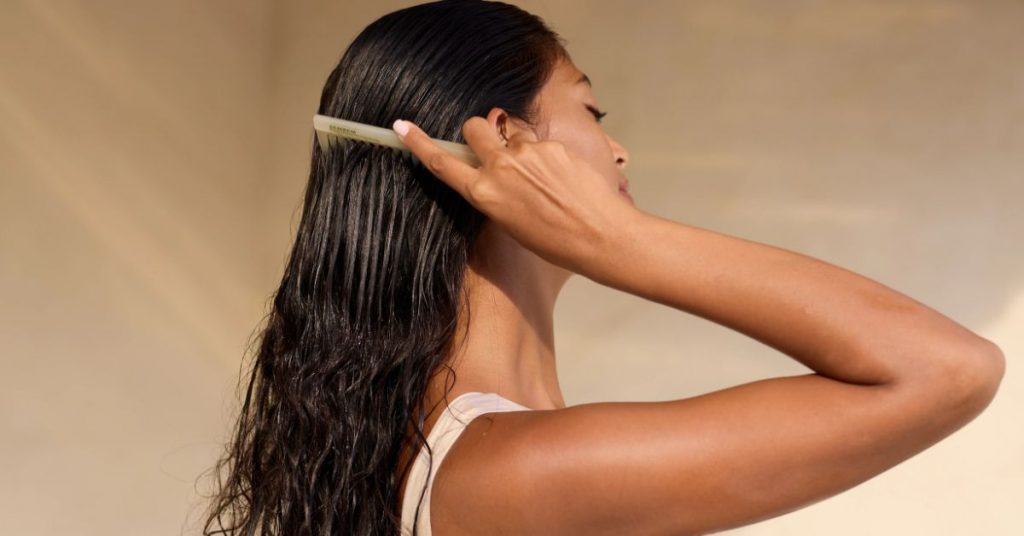
Even with the best intentions, many people make mistakes in their hair care routine that damage their hair over time. Knowing what to avoid is just as important as knowing what to do.
Read for more info: https://styleshears.com/hair-transplant-cost-by-country/
Brushing Wet Hair Roughly
Wet hair is fragile and breaks easily. Pulling a brush through wet, tangled hair causes split ends and breakage. Instead, use a wide-tooth comb or a detangling brush designed for wet hair. Begin detangling at the ends, then slowly work your way toward the roots. Before detangling, use a leave-in conditioner or a detangling spray to help your comb glide through the hair more easily.
Washing Hair with Hot Water
Hot water feels relaxing, but it damages your hair. It strips natural oils from your scalp and leaves your hair dry and dull. It also causes color-treated hair to fade faster. Switch to lukewarm water for washing and finish with a cool rinse to seal the cuticle and add shine.
Rubbing Hair with a Towel
Vigorously rubbing your hair with a regular cotton towel roughs up the cuticle. This leads to frizz, breakage, and a rough texture. Instead, gently blot your hair dry with a soft microfiber towel. You can also use an old cotton t-shirt to squeeze out excess water without causing damage.
Skipping Heat Protectant
Using a flat iron or blow dryer without heat protectant is one of the biggest mistakes in any hair care routine. Heat protectant sprays or serums create a shield between your hair and the hot tool. Without this protection, high temperatures crack the hair cuticle and cause lasting damage.
Overwashing Your Hair
Washing your hair every day strips natural oils and dries out your scalp. Your scalp then overproduces oil, making your hair feel greasy even faster. Most people only need to wash their hair two to three times per week. On non-wash days, use a dry shampoo to absorb excess oil and refresh your roots.
The Role of Diet and Lifestyle in Your Hair Care Routine
A great hair care routine is not just about what you put on your hair. What you put in your body matters just as much. Your hair grows from the inside out. If you do not give your body the right nutrients, no shampoo or mask can fully fix the problem.
Eat a balanced diet rich in protein, omega-3 fatty acids, vitamins A, C, D, and E, biotin, and zinc. These nutrients support strong hair growth and a healthy scalp. Foods like eggs, fish, nuts, leafy greens, and berries provide these nutrients naturally. Drinking enough water also plays a key role. Hydration helps your body deliver nutrients to the hair follicles.
Sleep and stress management also affect your hair health. High stress levels can trigger hair loss and slow down growth. Getting seven to eight hours of quality sleep each night gives your body time to repair and regenerate.
Regular exercise improves blood circulation, which nourishes the scalp and promotes healthy growth. Think of these lifestyle habits as the invisible foundation of your hair care routine.
Nighttime Hair Care Routine for Better Results
What you do to your hair before bed has a big impact on how it looks and feels the next morning. A simple nighttime hair care routine protects your hair while you sleep and reduces morning tangles and frizz.
First, never go to bed with wet hair. Wet hair is more fragile and breaks easily against your pillow. Second, switch to a silk or satin pillowcase. Cotton pillowcases create friction that causes breakage and frizz. Silk and satin allow your hair to glide smoothly and retain moisture.
If you have long hair, loosely tie it in a braid or a low bun before sleeping. This prevents tangles without pulling on your hair. Curly and coily hair benefits from the pineapple method, which means gathering your hair loosely on top of your head with a silk scrunchie.
You can also apply a small amount of hair oil to your ends before bed for overnight nourishment. These simple steps protect your hair for eight hours straight and make your morning routine much easier.
How Often Should You Trim Your Hair?
Trimming your hair might seem counterproductive, especially if you are trying to grow it out. But regular trims are a key part of any effective hair care routine. Trims remove split ends before they travel up the hair shaft and cause more damage.
Most hair experts recommend trimming your hair every six to eight weeks. You do not need to cut off a lot. Even half an inch removes damaged ends and keeps your hair looking fresh and healthy. If you skip trims for too long, split ends make your hair look thin, frizzy, and unhealthy. Regular trims also help your hair hold styles better and give it a cleaner shape.
Building a Hair Care Routine That Fits Your Lifestyle
The best hair care routine is one you actually stick to. If your routine is too complicated, you will abandon it within weeks. Keep things simple and realistic. Focus on the basics first: cleansing, conditioning, and protecting. Add treatments and extras as needed.
Structure your week around wash days, treatment days, and rest days. On wash days, shampoo, condition, and apply leave-in products. On treatment days, do a hair mask or scalp scrub. On rest days, leave your hair alone as much as possible. Use dry shampoo if needed and avoid heat tools.
Write down your routine and track your progress. Take photos in natural light every few weeks to see how your hair improves over time. Adjust your products and schedule based on what works. Your hair changes with the seasons, your diet, and your lifestyle. Stay flexible and willing to adapt your hair care routine as needed.
Conclusion
A solid hair care routine is the foundation of healthy, beautiful hair. You do not need a complicated regimen or expensive products. You need the right steps, the right products for your hair type, and the consistency to stick with it.
Start with the basics of oiling, shampooing, conditioning, and protecting. Add weekly treatments like deep conditioning masks and scalp exfoliation. Avoid common mistakes like overwashing, skipping heat protectant, and rubbing your hair with a towel.
Remember that great hair starts from within. A nutrient-rich diet, proper hydration, quality sleep, and stress management all play a huge role. Combine healthy habits with a simple, effective routine, and you will see real results.
Your hair deserves the same care and attention you give to your skin. Start building your perfect hair care routine today and enjoy stronger, shinier, healthier hair every day.
Frequently Asked Questions About Hair Care Routine
How often should I wash my hair in my hair care routine?
Most hair types do well with washing two to three times per week. Straight and oily hair may need more frequent washing. Curly and coily hair types can go longer between wash days.
Over-washing strips natural oils from your scalp and causes dryness. Find a schedule that keeps your hair clean without drying it out.
What is the most important step in a hair care routine?
Conditioning is arguably the most important step. It restores moisture, reduces tangles, and protects your hair from damage. Many people focus too much on shampooing and skip or rush through conditioning.
Apply conditioner from mid-lengths to ends and leave it on for a few minutes before rinsing for the best results.
Can I follow the same hair care routine all year round?
Your hair needs to change with the seasons. In winter, your hair tends to get drier, so you may need heavier conditioners and more frequent deep treatments. In summer, your hair may get oilier or suffer from sun damage, so lighter products and UV protection work better. Adjust your hair care routine with the seasons for the best results.
How long does it take to see results from a new hair care routine?
Most people start noticing improvements within four to six weeks of following a consistent routine. Hair grows about half an inch per month, so it takes time for new, healthier growth to show. Be patient and stay consistent. The longer you stick with a good routine, the better your hair will look and feel.
Is it necessary to use expensive products in my hair care routine?
Not at all. Price does not always equal quality. Many affordable shampoos, conditioners, and treatments contain excellent ingredients that work just as well as luxury brands. Focus on choosing products that match your hair type and concerns.
Read the ingredient list instead of relying on the brand name. Consistency matters more than cost in any effective hair care routine.