
Best Shampoo for Hair Loss: A Complete Guide to Stronger, Healthier Hair
Hair loss affects millions of people around the world. It can shake your confidence and leave you searching for answers. The good news is that picking the best shampoo for hair loss can make a real difference in your hair care routine. While no shampoo alone can cure hair loss, the right product supports a healthy scalp and slows down thinning.
In this complete guide, we walk you through everything you need to know. You will learn about the main causes of hair loss, the key ingredients to look for, the top products available, and how to build a routine that gives your hair the best chance to grow stronger. Whether you are a man or a woman, this article has something for you.
Why Hair Loss Happens: Understanding the Root Cause
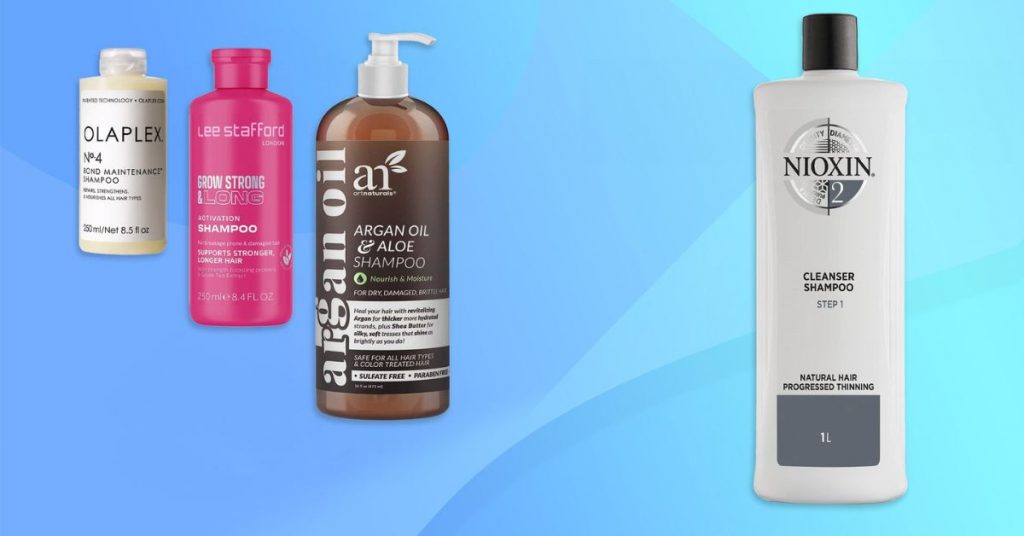
Before you buy any shampoo, you need to understand why hair falls out. Hair loss is not always the same for every person. Different causes require different solutions. When you know the root cause, you can choose the best shampoo for hair loss that actually targets your problem.
Genetics plays the biggest role. Androgenetic alopecia, also known as male or female pattern baldness, is the most common type of hair loss worldwide.
It affects more than 50 million men and 30 million women in the United States alone. In men, hair usually thins at the temples and crown. In women, it shows up as a wider part and overall thinning across the scalp.
Hormonal changes also trigger hair loss. Pregnancy, menopause, and thyroid problems can all disrupt the natural hair growth cycle. Stress is another major factor.
Physical or emotional shock can push hair follicles into a resting phase, causing noticeable shedding weeks or months later. Poor nutrition, certain medications, and even harsh hair products can speed up thinning, too.
How Does a Shampoo Help with Hair Loss?
Many people wonder if a shampoo can really stop hair from falling out. The honest answer is that shampoo alone will not regrow hair on bald patches. However, the best shampoo for hair loss does important work behind the scenes. It keeps your scalp clean, reduces inflammation, removes buildup, and creates a healthy environment where hair can grow.
Think of your scalp like soil in a garden. If the soil is dry, clogged, or unhealthy, plants struggle to grow. A good shampoo clears the way for stronger hair by keeping follicles unclogged and nourished. Many hair loss shampoos also contain ingredients that block DHT, a hormone closely linked to pattern baldness.
Dermatologists often recommend using a hair loss shampoo alongside other treatments like minoxidil or prescription medications.
The shampoo supports those treatments by improving scalp health and making it easier for active ingredients to be absorbed into the skin. So while shampoo is not a miracle cure, it is a vital first step in any hair care plan.
Key Ingredients to Look for in the Best Shampoo for Hair Loss
Not all shampoos work the same way. The difference comes down to ingredients. When you shop for the best shampoo for hair loss, always check the label for these proven ingredients.
Ketoconazole
Ketoconazole is an antifungal agent found in medicated shampoos like Nizoral. It fights dandruff and reduces scalp inflammation. More importantly, studies show it can block DHT activity on the scalp.
One study found it improved hair shaft diameter in a significant number of men with androgenetic alopecia after six months of use. Dermatologists frequently recommend it as a first-line shampoo for thinning hair.
Saw Palmetto
Saw palmetto is a natural DHT blocker. It stops the scalp from absorbing the hormone that shrinks hair follicles. Many popular hair loss shampoos include saw palmetto as a key active ingredient. It also helps regulate sebum production, which keeps the scalp balanced and healthy.
Caffeine
Caffeine does more than wake you up in the morning. When applied to the scalp, it stimulates blood circulation and energizes dormant hair follicles. Brands like Alpecin have built their entire product line around this ingredient. Research supports its ability to promote hair growth when used consistently.
Biotin (Vitamin B7)
Biotin strengthens the hair shaft and reduces breakage. It supports the production of keratin, the protein that makes up your hair. While biotin deficiency is rare, topical biotin in shampoos can improve the look and feel of thinning hair over time.
Niacinamide (Vitamin B3)
Niacinamide boosts blood flow to hair follicles. It also strengthens the scalp’s protective barrier, which helps retain moisture and fight off environmental damage. This ingredient works well for people with sensitive or inflamed scalps.
Rosemary Oil
Rosemary oil has gained huge popularity in recent years. A clinical trial showed it matched 2% minoxidil in hair count gains over six months with less scalp irritation. It acts as a natural vasodilator, improving circulation to the scalp. It also has antimicrobial properties that fight dandruff.
Salicylic Acid
Salicylic acid gently exfoliates the scalp. It removes dead skin cells, excess oil, and product buildup that can clog follicles. A clean scalp gives hair follicles the room they need to produce healthy strands.
Top Shampoos for Hair Loss
Choosing the right product can feel overwhelming with so many options on the shelf. Here is a comparison of some of the most recommended shampoos for hair loss based on expert advice and consumer reviews.
| Shampoo | Key Ingredients | Best For | Sulfate-Free |
| Nizoral Anti-Dandruff Shampoo | Ketoconazole | Hereditary hair loss, dandruff | No |
| Nutrafol Root Purifier Shampoo | Alpha-glucan, vegan proteins | Preventing hair loss | Yes |
| Hims Thick Fix Shampoo | Saw palmetto | Men with thinning hair | Yes |
| Vegamour Gro Revitalizing Shampoo | Biotin, wild-harvested marula oil | Biotin-based hair growth | Yes |
| Alpecin Caffeine Shampoo | Caffeine | Energizing weak follicles | No |
| Hers Triple Threat Shampoo | Saw palmetto, biotin | Women with thinning hair | Yes |
| KeraFactor Peptide Complex Shampoo | 7 Polypeptides | All hair types | Yes |
| MDhair Customized Shampoo | Customized blend | Color-treated thinning hair | Yes |
Each of these products brings something different to the table. The best shampoo for hair loss for you depends on your specific hair type, scalp condition, and the cause of your thinning.
Best Shampoo for Hair Loss in Men
Men face hair loss more frequently and often earlier in life. More than half of men over 50 show visible signs of thinning. By age 70, that number rises to about 80%. Male pattern baldness usually starts with a receding hairline and thinning at the crown.
For men, shampoos containing ketoconazole and saw palmetto tend to work best. These ingredients target DHT, the main hormone behind male pattern baldness. Nizoral remains one of the most recommended options by dermatologists because of its proven ability to reduce inflammation and support scalp health.
Hims Thick Fix Shampoo is another strong choice. It combines saw palmetto with a sulfate-free formula that cleanses without stripping natural oils. Men who prefer a caffeine-based approach often turn to Alpecin, which delivers an energy boost to sluggish follicles.
The key for men is consistency. You need to use these products regularly for at least three months before you notice visible results. Pairing a good shampoo with a minoxidil treatment gives you the best chance of slowing down hair loss.
Best Shampoo for Hair Loss in Women
Women experience hair loss differently. Instead of a receding hairline, women usually see diffuse thinning across the entire scalp.
The part line widens, and hair appears less dense overall. About 40% of all Americans dealing with hair loss are women, and the problem often worsens after menopause.
Women benefit from gentle, sulfate-free shampoos that nourish without causing further damage. Nutrafol Root Purifier is a top pick because it uses plant-based ingredients and vegan proteins to strengthen and protect fragile strands.
Vegamour Gro Revitalizing Shampoo is another excellent option for women who want a clean, biotin-rich formula.
For women dealing with postpartum hair loss, shampoos containing saw palmetto, biotin, and rosemary oil can provide relief. Hormonal shifts after pregnancy often cause temporary shedding, and these ingredients help support the recovery process.
Women with color-treated hair should look for customized options like MDhair, which protects both color and hair density.
Ingredients to Avoid in Hair Loss Shampoos
Knowing what to avoid is just as important as knowing what to look for. Some common shampoo ingredients can actually make hair loss worse.
| Harmful Ingredient | Why You Should Avoid It |
| Sulfates (SLS, SLES) | Strip natural oils, dry out scalp, cause breakage |
| Parabens | May disrupt hormonal balance over time |
| Formaldehyde releasers | Known carcinogens cause scalp irritation |
| Propylene glycol | Can irritate sensitive scalps |
| Alcohol (denatured) | Dries out hair and makes it brittle |
When shopping for the best shampoo for hair loss, always read the ingredient list carefully. If a product contains sulfates or parabens, consider choosing a gentler alternative. Your hair is already fragile, so the last thing you need is a shampoo that strips away its natural protection.
How to Use Hair Loss Shampoo Effectively
Buying a good shampoo is only half the battle. You also need to use it correctly. Here are some practical tips to get the most out of your product.
Massage gently. When you apply shampoo, use your fingertips to massage it into your scalp for two to three minutes. This improves blood circulation and helps the active ingredients absorb better. Avoid using your nails, as that can damage the scalp.
Leave it on for a few minutes. Unlike regular shampoos, hair loss shampoos need time to work. Let the product sit on your scalp for at least two to three minutes before rinsing. This gives ingredients like ketoconazole and caffeine enough time to penetrate the skin.
Be consistent. Results take time. Most experts agree that you need at least three months of consistent use before you see a real difference. Skipping days or switching products too often will slow down your progress.
Alternate shampoos. Some dermatologists recommend rotating between two different shampoos. This approach hits the problem from multiple angles. For example, you might use a ketoconazole shampoo one day and a caffeine-based shampoo the next.
Pair with conditioner wisely. Always use a lightweight conditioner after washing. Apply it to the ends of your hair, not directly on the scalp. This prevents buildup while keeping your strands hydrated and easy to manage.
Read for more info: https://styleshears.com/hair-care-routine/
Natural Remedies That Support Hair Growth
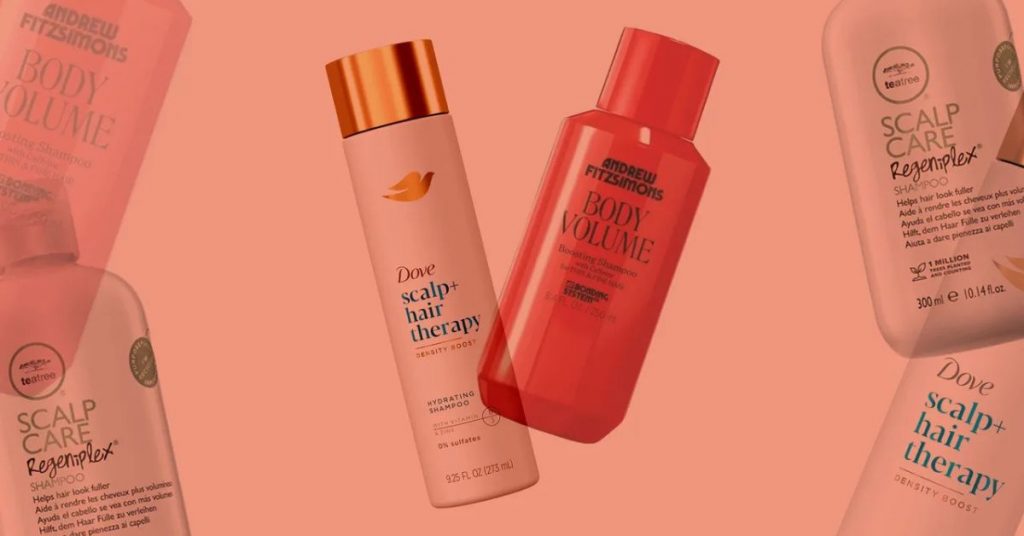
While the best shampoo for hair loss handles the basics, you can boost your results with natural remedies. These work alongside your shampoo to create an even healthier environment for hair growth.
Rosemary oil stands out as one of the most effective natural options. You can add a few drops to your shampoo or apply diluted rosemary oil directly to your scalp as a treatment. Its ability to improve circulation and block DHT makes it a powerful ally against thinning.
Pumpkin seed oil is another natural DHT blocker. Studies show it can increase hair count in men when taken as a supplement. Some shampoos already include this ingredient in their formulas.
Onion juice might sound unusual, but it contains sulfur, which supports keratin production. It also has antibacterial properties that keep the scalp healthy. Many people apply onion juice as a pre-shampoo treatment for fifteen to twenty minutes before washing.
A balanced diet also matters. Foods rich in iron, zinc, omega-3 fatty acids, and vitamins A, C, D, and E all support healthy hair growth. If you suspect a nutritional deficiency, talk to your doctor about supplements.
Common Mistakes People Make When Choosing a Shampoo for Hair Loss
Many people make avoidable errors when trying to fight hair loss with shampoo. Here are the most common mistakes you should watch out for.
Falling for marketing hype. Many brands make bold claims like “10x less breakage” or “visibly denser hair.” These statements often lack solid clinical backing.
Always look at the ingredient list instead of the front-of-bottle promises. The actual ingredients tell you whether a product can deliver results.
Expecting overnight results. Hair grows slowly. Even the best products need time to show effects. If you give up after two weeks, you will never see what the shampoo could have done for you. Commit to at least three months.
Using too much product. More shampoo does not equal better results. A small amount is enough to cleanse and treat your scalp. Over-washing can strip natural oils and make thinning worse.
Ignoring scalp health. Many people focus on the hair itself and forget about the scalp. A healthy scalp is the foundation for healthy hair. If your scalp is itchy, flaky, or inflamed, address those issues first before worrying about volume and thickness.
Skipping professional advice. If your hair loss is sudden, severe, or patchy, see a dermatologist. Shampoo cannot fix autoimmune conditions, severe hormonal imbalances, or scarring alopecia. A doctor can run tests and recommend the right combination of treatments.
When to See a Doctor About Hair Loss
Shampoo is a great starting point, but it has its limits. You should see a healthcare professional if you experience sudden or rapid hair loss, bald patches on your scalp, hair loss after starting a new medication, burning or itching along with shedding, or hair loss paired with other unusual symptoms like fatigue or weight changes.
A dermatologist can diagnose the exact type of hair loss you have. They may suggest prescription treatments like finasteride or minoxidil, PRP therapy, or even hair transplant surgery for advanced cases. The earlier you seek help, the better your chances of preserving and regrowing your hair.
Conclusion
Finding the best shampoo for hair loss is not about picking the most expensive bottle on the shelf. It is about understanding your hair type, your scalp condition, and the real cause behind your thinning.
Ingredients like ketoconazole, saw palmetto, caffeine, biotin, and rosemary oil have real science behind them. They can slow down shedding, strengthen your strands, and create a healthier scalp.
Remember that shampoo works best as part of a bigger plan. Combine it with a healthy diet, gentle hair care habits, and professional guidance when needed. Stay consistent, be patient, and give your hair the care it deserves.
The right shampoo will not perform miracles overnight, but over time, it can make a meaningful difference in how your hair looks and feels.
Frequently Asked Questions
Can shampoo alone stop hair loss completely?
No, shampoo alone cannot stop hair loss completely. The best shampoo for hair loss helps by keeping your scalp clean, reducing inflammation, and creating a better environment for growth.
However, most dermatologists recommend combining it with other treatments like minoxidil or prescription medications for the best results. Think of shampoo as the foundation of your hair care routine, not the entire solution.
How long does it take for a hair loss shampoo to show results?
Most hair loss shampoos require at least three months of consistent use before you notice visible changes. Hair grows slowly, so patience is essential.
Some people see improvements in scalp health and reduced shedding within a few weeks, but significant changes in thickness and density take longer. Stick with your routine and avoid switching products too quickly.
Is sulfate-free shampoo better for thinning hair?
Yes, sulfate-free shampoos are generally better for thinning hair. Sulfates act as strong detergents that strip natural oils from the scalp. This can leave hair dry, brittle, and more prone to breakage. If your hair is already fragile, a gentle sulfate-free formula protects your strands while still providing a thorough cleanse.
What is the best ingredient for hair loss shampoo?
Ketoconazole is widely considered the gold standard among dermatologists. It fights dandruff, reduces scalp inflammation, and blocks DHT at the follicle level.
Other highly effective ingredients include saw palmetto, caffeine, biotin, niacinamide, and rosemary oil. The best choice depends on your specific type of hair loss and scalp condition.
Can women use the same hair loss shampoo as men?
Many hair loss shampoos work for both men and women. However, some products are specifically formulated for male or female hair loss patterns.
Women may prefer gentler, sulfate-free options that focus on nourishing and strengthening, while men may benefit more from aggressive DHT-blocking formulas. Always check the label and choose a product that matches your needs.