
Best Hair Straighteners for Curly Hair: A Simple Buying Guide
Curly hair is beautiful, but it can be tricky to style. If you want a smooth, sleek look once in a while, you need the right tool. The best hair straighteners for curly hair do more than just flatten your strands. They protect your hair from heat damage and keep frizz away for hours.
This guide will help you understand what to look for. We will also share some top picks that work well on curls, waves, and coils. By the end, you will know exactly which straightener suits your hair type and budget.
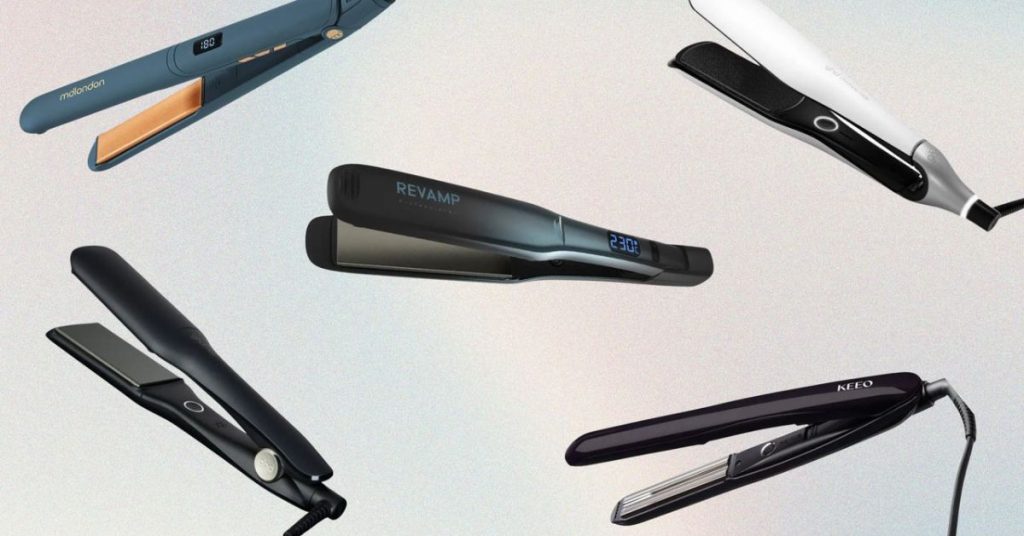
Why Curly Hair Needs a Special Straightener
Curly hair is not like straight hair. It has more bends and twists in each strand. This makes it harder for natural oils to travel down the hair shaft. As a result, curly hair often feels dry at the ends. A regular straightener can make this dryness worse if it is not built for curls.
The best hair straighteners for curly hair use smooth plates that glide without pulling. They also offer higher heat settings, since tighter curls need more heat to relax properly. A poor-quality tool can snag your curls, cause breakage, or leave frizz right after styling.
Curl patterns also vary a lot. Some people have loose waves, while others have tight coils. Each type needs a different approach. A good straightener adjusts to this and gives you control over heat and speed. This is why picking the right tool matters so much for curly hair owners.
Key Features to Look for in a Straightener for Curly Hair
Before you buy a straightener, check a few important features. These features decide how well the tool will work on your curls and how much damage it may cause over time.
Plate material is the first thing to check. Ceramic plates heat evenly and are gentle on hair. Titanium plates heat up faster and work well on thick, coarse curls. Tourmaline plates release negative ions that fight frizz and add shine.
Temperature control is just as important. Curly hair often needs higher heat than straight hair, but too much heat can damage it. A straightener with adjustable settings lets you pick the right temperature for your curl type.
Plate width affects styling time. Wide plates cover more hair in one pass, which is great for thick, curly manes. Narrow plates work better for short hair or fine detailing.
Other useful features include auto shut-off, a long swivel cord, and fast heat-up time. These small details make daily styling much easier.
Plate Material Comparison Table
Here is a simple table to help you compare plate materials before buying a straightener.
| Plate Material | Best For | Heat Speed | Frizz Control |
| Ceramic | Fine to medium curls | Moderate | Good |
| Titanium | Thick, coarse curls | Fast | Very Good |
| Tourmaline | Frizzy, dry curls | Moderate | Excellent |
| Ceramic + Titanium Blend | All curl types | Fast | Very Good |
This table shows that there is no single best material for everyone. Your choice should depend on your hair thickness and how much frizz you usually deal with.
Top Picks: Best Hair Straighteners for Curly Hair in 2026
Many brands make tools that work well on curls. Based on expert reviews and real user testing, a few models stand out this year. These straighteners handle curly, coily, and wavy hair without causing too much stress on the strands.
The T3 SinglePass line is a strong favorite among people with curly hair. It uses wide ceramic plates and heats hair evenly in fewer passes. Many models in this range offer nine heat settings, so you can match the heat to your curl thickness. Some versions also include a curved barrel, which makes it easy to add waves or soft curls after straightening.
The GHD Chronos is another popular choice, especially for thicker curls. It heats up in about 20 seconds and uses motion-sensing technology. This means the plates adjust power automatically as you move the tool, keeping the temperature steady across your hair.
The Dyson Corrale and Dyson Airstrait are premium options. The Corrale uses flexing plates that shape around your hair strands. The Airstrait is unique because it dries and smooths hair using strong airflow instead of hot plates, which can be gentler on very curly or damaged hair.
For a budget-friendly option, the Remington Shine Therapy straightener is worth considering. It uses ceramic plates infused with argan oil and keratin, giving decent results without a high price tag.
If you want something with a long track record, the Chi Original Ceramic Iron remains a reliable, affordable pick for everyday styling.
Comparison Table of Popular Straighteners
| Straightener | Plate Type | Temperature Range | Best For |
| T3 SinglePass | Ceramic | Multiple settings | Versatile styling |
| GHD Chronos | Ceramic (floating) | Fixed sweet spot | Thick, coarse curls |
| Dyson Corrale | Manganese copper alloy | 330–410°F | Gentle daily use |
| Dyson Airstrait | Airflow-based | Adjustable | Very curly, damage-prone hair |
| Remington Shine Therapy | Ceramic | Multiple settings | Budget shoppers |
| Chi Original Iron | Ceramic | Fixed high heat | Everyday styling |
This table gives you a quick snapshot before you dive deeper into any single product review.
How to Straighten Curly Hair Safely
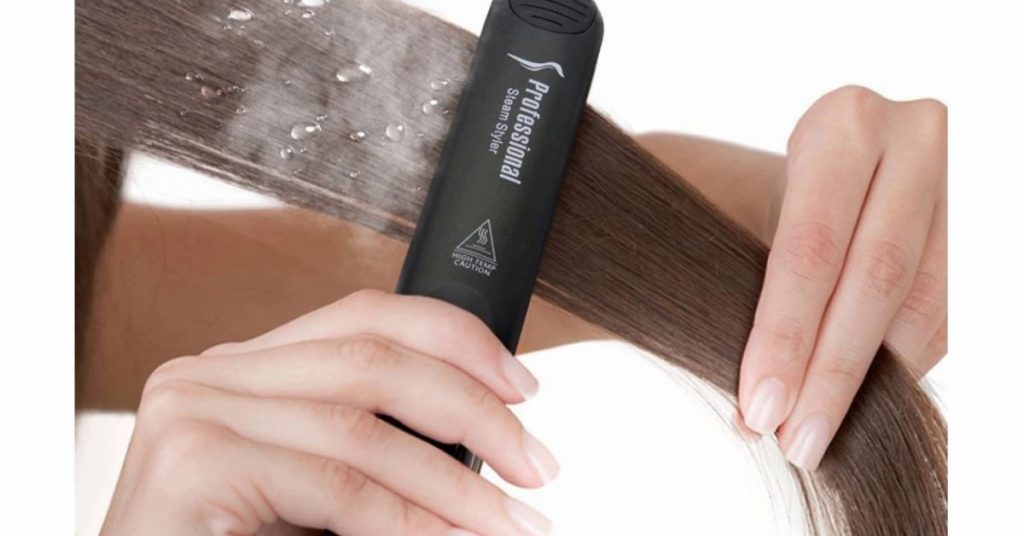
Straightening curly hair the right way protects your strands from damage. Skipping steps can lead to dry, brittle hair over time, even with the best hair straighteners for curly hair.
Start with clean, dry hair. Wet hair can boil under heat, which harms the hair shaft. Always apply a heat protectant spray before you begin. This creates a barrier between your hair and the hot plates.
Section your hair into small parts. Thick curls need smaller sections so the heat reaches every strand evenly. Trying to straighten large chunks at once often leads to uneven results and more passes, which means more heat exposure.
Move the straightener slowly and steadily through each section. Rushing can cause you to miss spots, which tempts you to go over the same section again. Multiple passes on one area raise the risk of damage.
Once you finish, let your hair cool down before touching it or brushing it. This helps the style set properly. Finish with a light serum or oil to add shine and lock in smoothness for longer.
Read for more info: https://styleshears.com/luxury-hairstyles/
Tips to Protect Your Curls from Heat Damage
Heat styling always carries some risk, but you can lower it with a few simple habits. These tips work alongside using the best hair straighteners for curly hair to keep your curls healthy over time.
Always use a heat protectant before straightening. This single step makes a big difference in how your hair feels and looks after repeated styling sessions.
Avoid straightening your hair every single day. Curly hair is naturally drier, so giving it rest days helps it recover. Try to limit heat styling to once or twice a week if possible.
Choose the lowest effective temperature for your hair type. Fine curls usually need less heat than thick, coarse curls. Testing a lower setting first can prevent unnecessary damage.
Deep condition your hair regularly. Heat styling pulls moisture out of curly strands, so replacing that moisture with a good hair mask keeps your curls soft and bouncy between styling sessions.
Trim your ends every few months. Heat damage often shows up first at the tips, and regular trims stop split ends from traveling further up the hair shaft.
Budget vs Premium Straighteners
Price is a big factor when choosing a straightener. Budget models can still perform well, but premium tools often add extra safety features and faster results.
| Category | Price Range | What You Get |
| Budget | Under $50 | Basic ceramic plates, fewer heat settings |
| Mid-Range | $50–$150 | Better plate quality, more heat control, auto shut-off |
| Premium | $150 and above | Advanced technology, faster styling, and added hair protection features |
If you are new to straightening curly hair, a mid-range option is often the safest starting point. It balances performance and price without a huge investment.
Conclusion
Finding the best hair straighteners for curly hair does not have to be confusing. Focus on plate material, temperature control, and your specific curl type before making a choice. Ceramic plates suit fine curls, while titanium works better for thick, coarse strands.
Whether you pick a premium tool like the GHD Chronos or a budget-friendly option like the Remington Shine Therapy, always pair it with good heat protection habits. Straighten with care, give your hair rest days, and keep it moisturized.
With the right tool and the right routine, you can enjoy smooth, sleek hair whenever you want, without harming your natural curls in the long run.
Frequently Asked Questions
What temperature is safe for straightening curly hair?
Most curly hair types do well between 300°F and 380°F. Fine curls need lower heat, while thick, coarse curls may need settings closer to 400°F. Always start low and increase only if needed.
Is ceramic or titanium better for curly hair?
Ceramic plates are gentler and work well for fine to medium curls. Titanium plates heat faster and handle thick, coarse curls better, but they need careful use since they can get very hot.
How often should I straighten my curly hair?
It is best to limit straightening to once or twice a week. Curly hair is naturally dry, so frequent heat styling can lead to breakage and frizz over time.
Can I use a straightener on wet curly hair?
No, standard straighteners should only be used on dry hair. Using them on wet hair can boil moisture inside the strand and cause serious damage. Some special tools, like air-based stylers, are an exception.
Do expensive straighteners work better on curly hair?
Not always. Expensive straighteners often add extra features like auto temperature control, but many budget and mid-range options still give great results on curly hair when used correctly.