
Keratin Treatment: The Complete Guide to Smooth, Frizz-Free Hair
What Is a Keratin Treatment?
A keratin treatment is a popular hair smoothing procedure that helps you get rid of frizz and unruly hair. It works by adding a keratin-based formula directly into your hair shaft. Keratin is a natural protein that makes up about 80% of your hair. It gives your hair strength, structure, and shine.
Over time, your hair loses keratin due to heat styling, chemical treatments, sun exposure, and harsh shampoos. When this happens, your hair becomes weak, dry, and frizzy. A keratin treatment fills in those protein gaps. It creates a smooth protective layer around each hair strand. The result is hair that looks silky, shiny, and much easier to manage.
Originally, you could only get a keratin treatment at a salon. Now, many brands offer at-home keratin treatment kits as well. Whether you choose a salon visit or a DIY approach, this treatment can transform the way your hair looks and feels. It works on all hair types, including curly, wavy, thick, and even color-treated hair.
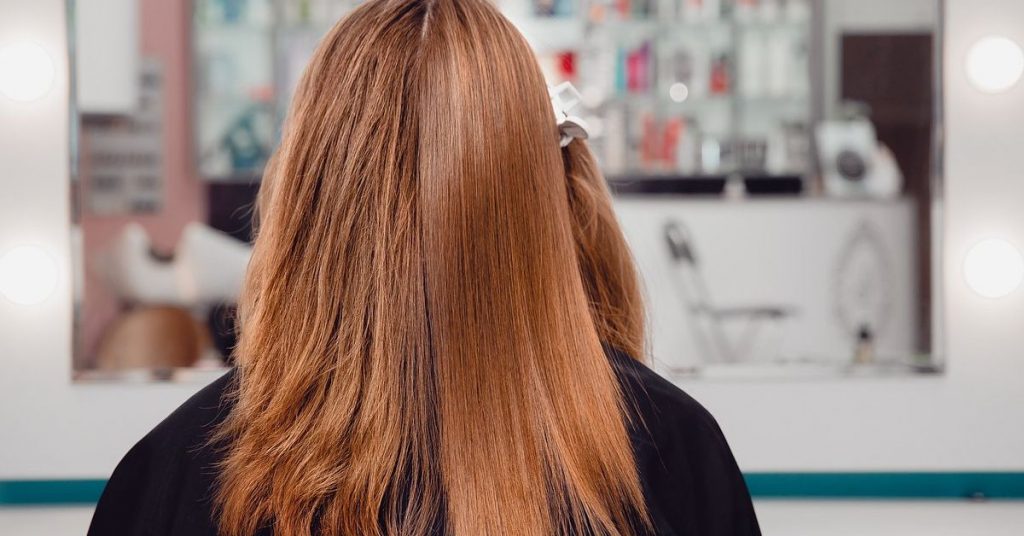
How Does a Keratin Treatment Work?
Understanding the science behind a keratin treatment helps you know what to expect. The treatment uses hydrolyzed keratin proteins that are small enough to penetrate the hair shaft. These proteins fill in porous and damaged areas of the hair cuticle. When heat is applied, the proteins bond with the hair’s natural structure.
During the process, a flat iron seals the keratin formula into the hair cuticle. This heat-activated bonding creates a smooth, shiny surface. It also breaks and reforms some of the hair’s natural bonds. This is why your hair comes out straighter and less frizzy after the treatment.
The entire process changes the outer layer of your hair temporarily. It does not permanently alter your hair’s natural texture. As you wash and style your hair over time, the keratin gradually wears off. Most treatments last between two and six months, depending on your hair type and how well you maintain it.
Step-by-Step Keratin Treatment Process
If you are planning to get a keratin treatment, knowing the process helps you prepare better. Here is how it works from start to finish.
Cleansing the Hair
Your stylist starts by washing your hair with a clarifying shampoo. This removes all product buildup, oil, and dirt from your hair. It also opens up the hair cuticles so the keratin formula can absorb properly. No conditioner is used at this stage because you need clean, bare hair.
Applying the Keratin Solution
After towel-drying your hair, the stylist applies the keratin solution section by section. Every strand gets evenly coated from root to tip. The formula sits on your hair for about 30 minutes. This waiting period allows the proteins to soak deep into the hair shaft.
Sealing with Heat
The stylist then blow-dries your hair and uses a flat iron at high heat to seal the keratin into the cuticle. This step is crucial because the heat locks the protein in place. The flat iron passes over small sections multiple times to ensure even sealing.
The Waiting Period
After the treatment, you usually need to wait 48 to 72 hours before washing your hair. During this time, the keratin continues to bond with your hair. You must keep your hair dry, avoid sweating, and keep it loose. No ponytails, clips, or tucking behind ears during this period.
Benefits of Keratin Treatment
A keratin treatment offers many advantages that go beyond just smooth hair. Here are the key benefits you can enjoy.
- Frizz reduction is the biggest benefit. Your hair stays smooth and manageable even in humid weather.
- Enhanced shine makes your hair look healthy and vibrant after every wash.
- Easier styling means you spend less time with blow dryers and flat irons each morning.
- Reduced blow-dry time saves you precious minutes during your daily routine.
- Stronger hair results from the keratin filling in damaged areas, making strands less prone to breakage.
- Smoother curls are possible because certain formulas reduce frizz without completely straightening your natural texture.
- Protection from environmental damage helps your hair handle sun, wind, and pollution better.
- Works on all hair types, including curly, wavy, thick, coarse, and color-treated hair.
Many people also notice their hair looks thicker and fuller after a keratin treatment. The smoothing effect brings all the strands together neatly, creating a polished and healthy appearance.
Types of Keratin Treatment
Not all keratin treatments are the same. Different types offer different results. Understanding them helps you pick the right one for your hair goals.
| Type | What It Does | Duration | Best For |
| Traditional Keratin Treatment | Smooths, straightens, and reduces frizz deeply | 3 to 6 months | Thick, curly, or very frizzy hair |
| Brazilian Blowout | Smooths hair and eliminates frizz without full straightening | 2 to 3 months | All hair types, especially wavy hair |
| Express Keratin Treatment | Quick smoothing treatment with shorter processing time | 4 to 6 weeks | Those short on time or wanting a lighter effect |
| Formaldehyde-Free Keratin | Uses safer alternatives like glyoxylic acid or carbocysteine | 2 to 4 months | People with chemical sensitivities |
| Nanoplasty Treatment | Uses nano-molecular technology for deep repair | 3 to 5 months | Damaged or chemically treated hair |
Brazilian Blowout vs Keratin Treatment
Many people confuse a Brazilian blowout with a traditional keratin treatment. While both reduce frizz and smooth hair, they differ in important ways. A Brazilian blowout uses amino acids and proteins to coat the hair surface. A keratin treatment uses keratin protein to penetrate and rebuild the hair from within.
Brazilian blowouts allow you to wash your hair the same day. Keratin treatments require a 48- to 72-hour waiting period. Keratin treatments also tend to last longer and provide more straightening. Brazilian blowouts preserve more of your natural texture and wave pattern.
If you want straighter, more manageable hair, go for a keratin treatment. If you prefer softer, bouncier hair with less frizz, a Brazilian blowout might suit you better.
Who Should Get a Keratin Treatment?
A keratin treatment works well for a wide range of people. It suits those who deal with constant frizz, unmanageable curls, or dry and damaged hair. If you spend a lot of time styling your hair every morning, this treatment can cut your routine in half.
People with color-treated hair can also benefit. The keratin helps seal in color and adds extra shine to dyed hair. However, you should wait about two weeks after coloring before getting the treatment. This gives your color enough time to settle.
Those with thick, coarse hair see some of the best results. The treatment tames bulk and makes thick hair feel lighter and more manageable. People with fine or thin hair should choose lightweight formulas. Heavy keratin products can weigh down fine hair and make it look flat.
However, a keratin treatment is not for everyone. If you have protein-sensitive hair, adding more protein can cause dryness and stiffness. People who are pregnant or have asthma should avoid formaldehyde-based treatments. Always consult your stylist before booking an appointment.
Side Effects of Keratin Treatment
While a keratin treatment offers many benefits, you should also know the potential side effects. Being aware of them helps you make an informed decision.
Formaldehyde Exposure
Many keratin products contain or release formaldehyde during the heating process. Formaldehyde is a known irritant that can cause eye irritation, headaches, dizziness, sore throat, and coughing. Both clients and stylists can experience these effects during the treatment. Long-term exposure may pose more serious health risks.
Scalp Irritation
Some people experience itching, redness, or mild irritation on the scalp after the treatment. A patch test before the full application can help prevent unexpected reactions. If your scalp is already sensitive, let your stylist know beforehand.
Heat Damage
The flat iron used during the sealing process runs at very high temperatures. Repeated keratin treatments over time can cause heat damage. This may lead to dryness, brittleness, and breakage if not managed properly.
High Cost
Keratin treatments are one of the more expensive salon services. A single session costs anywhere from $150 to $800 depending on your hair length, salon location, and the type of product used. Maintenance treatments every few months add to the overall expense.
Cost of Keratin Treatment
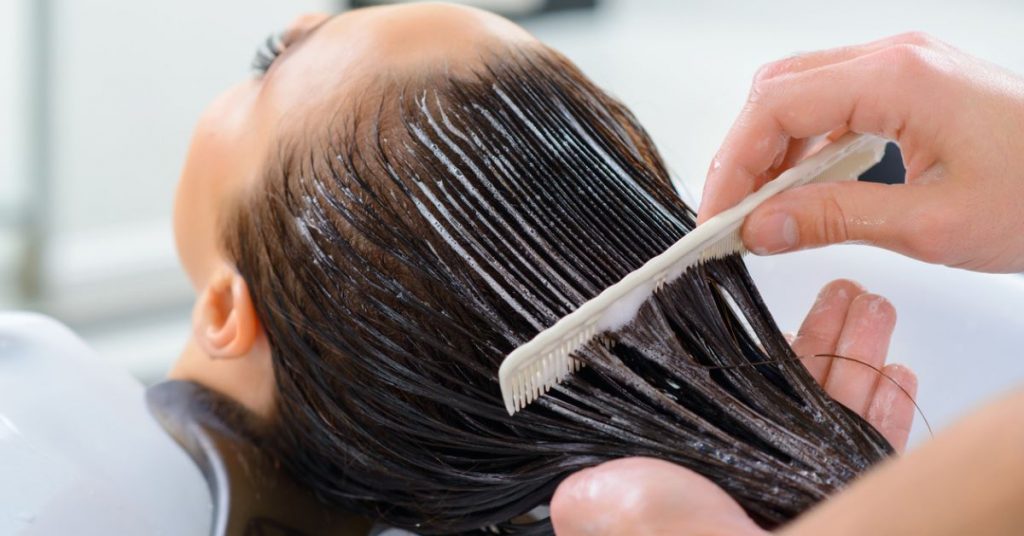
Understanding the cost of a keratin treatment helps you budget for it properly. Prices vary based on several factors.
| Factor | Price Range |
| Short hair (salon) | $150 to $300 |
| Medium hair (salon) | $250 to $500 |
| Long hair (salon) | $400 to $800 |
| Formaldehyde-free options | $300 to $600+ |
| At-home DIY kits | $40 to $100 |
Salon treatments include professional application and high-quality products. DIY kits offer a budget-friendly alternative but may not give the same long-lasting results. You also need to invest in sulfate-free shampoos and conditioners for aftercare, which adds to the ongoing cost.
Premium salons and formaldehyde-free products tend to cost more. However, the investment pays off when you consider the time and money you save on daily styling products and tools.
Read more for info: https://styleshears.com/hair-transplant-cost/
Keratin Treatment Aftercare Tips
Proper aftercare decides whether your keratin treatment lasts six weeks or six months. Follow these tips to get the most out of your investment.
The First 72 Hours
The first three days after your keratin treatment are the most important. Keep your hair completely dry during this time. Avoid rain, steam, swimming, and heavy workouts that cause sweating. If your scalp gets sweaty, gently blow-dry it immediately.
Keep your hair loose and down at all times. Tight ponytails, clips, bobby pins, and headbands can leave permanent creases in the treatment. Do not tuck your hair behind your ears either. Sleep on a silk or satin pillowcase to reduce friction overnight.
Ongoing Maintenance
After the initial waiting period, switch to a sulfate-free shampoo and conditioner. Sulfates strip the keratin coating from your hair and shorten the treatment’s life. Also avoid products that contain sodium chloride, as they have the same effect.
- Wash your hair only two to three times per week to extend the treatment.
- Use a deep conditioning hair mask once a week to maintain moisture balance.
- Apply a leave-in conditioner before styling to protect your hair.
- Limit heat styling since the smoothing effect already reduces your blow-dry time.
- Avoid chlorinated pools without applying a protective leave-in treatment first.
- Blot your hair gently with a soft towel after washing instead of rubbing it.
Keratin Treatment at Home
You can also do a keratin treatment at home if a salon visit does not fit your budget or schedule. At-home kits have become much better in recent years and offer decent results when used correctly.
Start by washing your hair twice with a clarifying shampoo. This removes all buildup and prepares your hair to absorb the keratin. Skip the conditioner. Apply the keratin formula section by section, making sure every strand is evenly coated. Leave it on for the time specified on the product label.
Blow-dry your hair completely and then use a flat iron to seal the keratin in. Pass the flat iron over small sections multiple times. After the treatment, follow the same 48- to 72-hour no-wash rule.
At-home keratin treatments typically last six to twelve weeks. The results depend on your hair type, washing frequency, and the products you use for aftercare. For best results, always choose a formaldehyde-free kit and follow the instructions carefully.
Keratin Treatment for Different Hair Types
A keratin treatment works differently on different hair types. Knowing what to expect helps you set realistic goals.
Curly Hair
Keratin treatment relaxes curls and makes them much more manageable. It does not completely straighten very tight curls but softens and loosens them. You get smoother, more defined curls with significantly less frizz.
Wavy Hair
Wavy hair responds extremely well to keratin treatment. The waves become smoother, shinier, and easier to style. Many people with wavy hair find that their blow-dry time drops dramatically after the treatment.
Thick and Coarse Hair
Thick hair benefits the most from a traditional keratin treatment. The treatment reduces bulk, adds shine, and makes coarse hair feel softer. Styling becomes much easier, and the results can last up to six months.
Fine and Thin Hair
People with fine hair should use lightweight keratin formulas. Heavy products can weigh down thin hair and make it look limp. An express keratin treatment or a Brazilian blowout works better for fine hair.
Color-Treated Hair
Keratin treatment helps seal in hair color and adds extra shine to dyed hair. Wait at least two weeks after coloring before getting the treatment. Use a keratin-safe, color-protecting shampoo for aftercare.
How Long Does a Keratin Treatment Last?
The longevity of a keratin treatment depends on several factors. On average, most treatments last between two and six months. Here is what affects how long your results last.
- Hair type plays a big role. Coarse, thick hair holds the treatment longer than fine hair.
- Washing frequency matters a lot. Washing your hair daily strips the keratin faster.
- Products you use can make or break your results. Sulfate-free products extend the treatment significantly.
- Environmental exposure like sun, humidity, and chlorine can shorten the treatment’s life.
- The type of treatment also matters. Traditional keratin lasts longer than express or Brazilian blowout treatments.
To maximize your results, follow a strict aftercare routine. Use the right products, wash less often, and protect your hair from harsh elements.
Is a Keratin Treatment Worth It?
This is a question many people ask before committing to a keratin treatment. The answer depends on your hair goals, budget, and lifestyle. If you spend a lot of time fighting frizz every day, this treatment can be a game-changer. It saves you time, reduces styling effort, and gives you salon-quality hair every day.
The cost is high upfront, but many people find the investment worthwhile. You spend less on styling products and tools when your hair stays smooth on its own. The confidence boost from having great hair every day is hard to put a price on.
However, you must commit to proper aftercare. Without the right routine, the treatment fades quickly, and you lose value for your money. If you are willing to follow the maintenance steps, a keratin treatment delivers excellent results.
Conclusion
A keratin treatment is one of the best ways to achieve smooth, frizz-free, and shiny hair. It fills in damaged areas of the hair shaft, reduces frizz, and makes styling much easier. Whether you choose a salon treatment or an at-home kit, the results can transform your daily hair routine.
Understanding the different types, knowing the potential side effects, and following a solid aftercare plan are all essential for getting the best results. Choose a formaldehyde-free option if safety is a concern. Invest in sulfate-free products and protect your hair during the first 72 hours after treatment.
With the right care and maintenance, your keratin treatment can last for months. It works on all hair types and gives everyone a chance to enjoy manageable, beautiful hair. Talk to a professional stylist to find the best keratin treatment for your specific hair type and goals.
Frequently Asked Questions
How long does a keratin treatment take at a salon?
A keratin treatment at a salon usually takes about two to four hours. The exact time depends on your hair length, thickness, and the specific product being used. Longer and thicker hair requires more product and more passes with the flat iron, so it naturally takes more time. Express treatments can be done in about 90 minutes for a quicker option.
Can I color my hair after a keratin treatment?
Yes, you can color your hair after getting a keratin treatment. However, you should wait at least two weeks before applying any color or chemical treatment. Coloring too soon can interfere with the keratin bonds and reduce the treatment’s effectiveness. If you want both services, many stylists recommend getting the color done first and the keratin treatment two weeks later.
Does keratin treatment damage your hair?
A quality, formaldehyde-free keratin treatment does not damage hair on its own. The treatment actually adds protein and smooths the cuticle, making hair stronger. However, the high heat from the flat iron during the sealing process can cause damage over time with repeated treatments. Choosing a skilled stylist and spacing out treatments helps minimize any risk.
How often should I get a keratin treatment?
Most experts recommend getting a keratin treatment every three to six months. This depends on how quickly your treatment fades and your hair’s condition. Getting treatments too frequently can lead to protein overload, which makes hair stiff and brittle. Listen to your hair and consult with your stylist to find the right schedule.
Is a keratin treatment safe during pregnancy?
Most dermatologists advise against getting formaldehyde-based keratin treatments during pregnancy. Formaldehyde fumes can be harmful, especially in poorly ventilated spaces. If you want a smoothing treatment while pregnant, look for formaldehyde-free alternatives and consult your doctor before booking an appointment.