
Balayage Hair: The Complete Guide to This Sun-Kissed Coloring Trend
Balayage hair has become one of the most loved coloring styles across salons today. It gives soft, natural color without harsh lines. Many people choose balayage hair because it grows out gracefully and needs less touch-up work than regular highlights.
This guide walks you through everything about balayage, from what it means to how you can care for it at home. You will also learn about current trends, costs, and simple tips that keep your color looking fresh for months.
What Is Balayage Hair?
Balayage is a French word that means “to sweep” or “to paint.” Instead of using foils, a stylist hand-paints color directly onto your strands. This freehand method creates a soft, blended look that mimics how the sun naturally lightens hair. Balayage hair works on any hair color, whether you are blonde, brunette, red, or even gray.
The biggest difference between balayage and traditional highlights is the placement. Foil highlights color hair from root to tip in even sections. Balayage focuses more color near the ends and less near the roots.
This creates a soft gradient instead of a stark line. Your colorist builds each section by hand, so the final result feels custom to your hair type and skin tone.
Because of this hand-painted approach, no two balayage looks are ever the same. Your stylist adjusts the placement based on your face shape, hair texture, and how you usually part your hair. This personal touch is a big reason balayage hair remains so popular year after year.
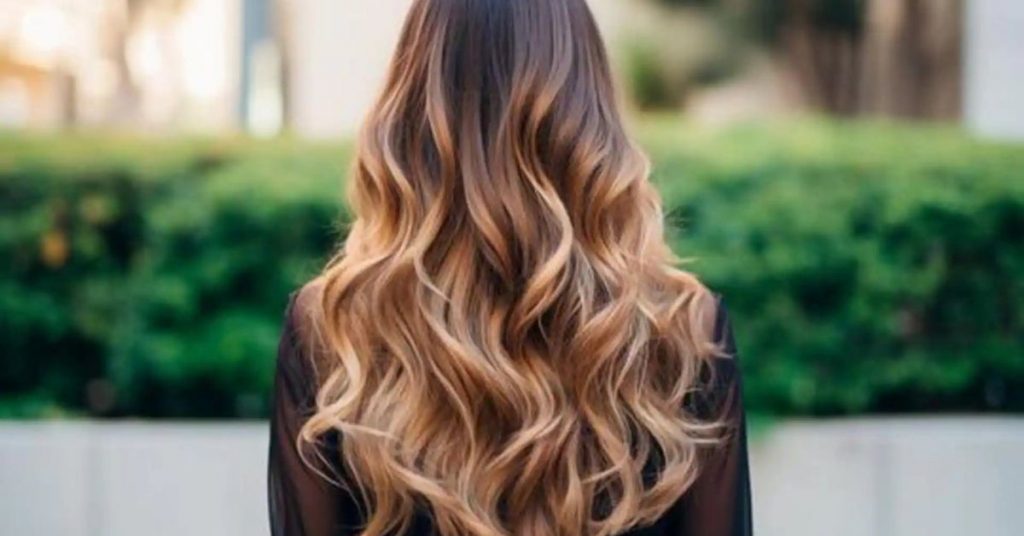
Why Balayage Hair Stays So Popular
People keep choosing balayage hair because it fits real life. Most of us do not have time for monthly salon visits. Balayage solves this problem by growing out naturally. Since the color sits mostly on the mid-lengths and ends, regrowth at the roots barely shows.
Balayage hair also suits many hair types and lifestyles. It works beautifully on straight, wavy, and curly hair. It looks great whether your hair is short, medium, or long. This flexibility makes it a safe choice for first-timers and color veterans alike.
Another reason for its popularity is how natural it looks. Because balayage mimics the way sunlight naturally lightens hair, it never looks too fake or harsh. Instead of a heavy, uniform tone, you get a soft dimension that catches light beautifully. This gives hair movement and depth, especially when styled in waves or curls.
Lastly, balayage hair is forgiving. If you decide you want to grow it out completely, you can do so without a visible line. This makes it a lower-commitment option compared to full color or traditional foils.
Balayage Hair Trends to Try in 2026
Hair color trends shift a little every year, but balayage remains at the center of it all. In 2026, colorists are focusing on softer transitions and natural-looking dimension rather than high contrast. The table below breaks down some of the most requested balayage hairstyles this year.
| Trend Name | Description | Best For |
| Soft Blonde Balayage | Light, blended tones for a sun-kissed glow | Fair to medium skin tones |
| Copper Balayage | Warm copper and amber hand-painted tones | Warm or neutral undertones |
| Brown Sugar Brunette | Golden highlights mixed into rich brown | Brunettes wanting warmth |
| Icy Platinum Balayage | Cool, silvery tones with deep shadow roots | Cool undertones |
| Rose Gold Balayage | Soft pink and gold blend over a blonde base | Fair to medium skin, playful looks |
| Mushroom Brown Balayage | Ashy brown with hints of taupe and gray | Cool or olive undertones |
Along with these shades, many stylists are also leaning into low-contrast balayage. This softer version blends the roots and ends so smoothly that regrowth becomes almost invisible. It suits people who want color but do not want frequent salon visits.
Textured balayage, where color is placed to enhance natural waves and curls, is also gaining attention this year.
How Balayage Hair Is Done
Getting balayage hair usually takes between three and five hours, depending on your hair length and the look you want. The process starts with your stylist sectioning your hair. They then hand-paint lightener onto chosen strands, often placing strips of cotton or foil underneath each section to stop the color from bleeding into other parts.
After the lightening step, your stylist rinses out the color and often applies a toner. Toner helps remove any unwanted brassy or yellow tones and gives your hair a cooler or warmer finish, depending on what you want. Many salons finish the service with a gloss or glaze treatment. This adds shine and helps blend everything together for a polished look.
If you are getting balayage for the first time, tell your stylist about your usual hairstyle. Show up with your hair styled the way you normally wear it, whether straight or curly. This helps them place the color where it will show the most.
Your natural hair oils also matter before your appointment. Avoid washing your hair with conditioner the day before, since it can create a barrier that blocks color from settling evenly. A little natural oil actually protects your scalp during the lightening process.
Read for more info: https://styleshears.com/best-hair-dryers-for-thick-hair/
Balayage Hair Cost: What to Expect
The price of balayage hair depends on several factors, including your location, hair length, and the stylist’s experience level. On average, a full balayage service costs between one hundred fifty and three hundred dollars. Below is a simple breakdown of common balayage techniques and their price ranges.
| Technique | Price Range | Best For |
| Traditional Balayage | $150 – $300 | Soft, natural highlights |
| Foilyage | $200 – $400 | More dramatic, intense lightning |
| Babylights | $100 – $250 | Subtle, fine highlights |
Besides the initial service, you should budget for touch-ups every two to four months. Each touch-up usually costs about fifty to seventy-five percent of your first visit.
You will also need to invest in color-safe shampoo and conditioner, which typically cost between twenty and fifty dollars each. While balayage hair has an upfront cost, its low-maintenance nature often saves money over time compared to traditional highlights.
How to Care for Balayage Hair at Home
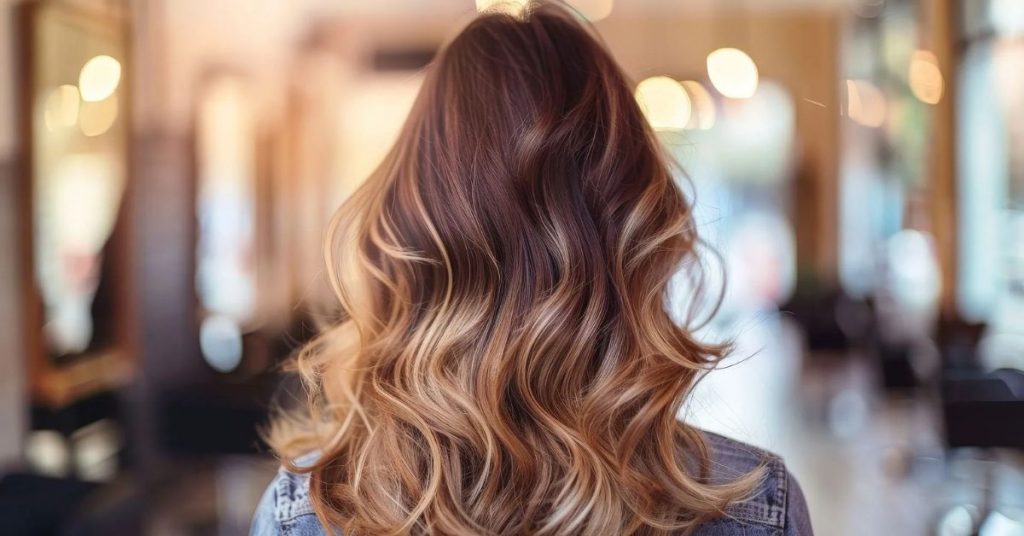
Taking care of your balayage hair starts right after your salon visit. Avoid washing your hair for at least forty-eight hours. This gives the color time to fully set into your hair shaft. Washing too soon can wash out the toner your stylist carefully applied.
Switch to sulfate-free shampoo and conditioner as soon as possible. Sulfates strip color and natural oils, causing your balayage to fade faster than it should. Try to limit washing to two or three times a week. On other days, use dry shampoo to keep your roots fresh without disturbing your color.
Heat styling can also damage colored hair, so always use a heat protectant spray before using hot tools. If your balayage includes blonde or light tones, a purple shampoo once a week helps fight brassiness. For red or copper balayage, a color-depositing shampoo works better to keep the warmth vibrant.
Deep conditioning treatments matter too. Use a hydrating mask once a week to restore moisture that lightening removes. Natural oils like argan or jojoba also work well as leave-in treatments. If you swim often, rinse your hair with clean water before entering a pool. This helps your hair absorb less chlorine, which can fade or even change the tone of your color.
Balayage vs Highlights: Key Differences
Many people confuse balayage with regular highlights, but they are quite different in both technique and result. Traditional highlights use foils and color hair evenly from root to tip. This creates a more uniform, structured look. Balayage, on the other hand, is hand-painted freehand, focusing color mainly on the mid-lengths and ends.
The grow-out process also differs greatly. With foil highlights, you will notice a visible line at your roots as your hair grows. Balayage hair avoids this problem because the color transition is already soft and gradual. This means fewer salon visits and more flexibility with your schedule.
In terms of look, highlights tend to give more uniform brightness throughout your hair. Balayage creates depth and dimension, similar to how the sun naturally lightens strands over time. If you want a bold, high-contrast change, highlights might suit you better. But if you want something low-maintenance and natural-looking, balayage hair remains the smarter pick.
Choosing the Right Balayage Shade for Your Skin Tone
Picking the right shade makes a huge difference in how balayage hair complements your face. Warm skin tones usually look best with golden, honey, or copper balayage. These shades bring out a natural glow and blend well with peachy or golden undertones in your skin.
Cool skin tones pair beautifully with ash blonde, platinum, or mushroom brown balayage. These tones avoid clashing with pink or blue undertones in cool complexions. If you have a neutral skin tone, you are in luck, since most balayage shades will suit you well. Sandy beige, caramel, and soft bronde tones tend to work especially nicely on neutral undertones.
It also helps to think about your eye color and existing hair color. Darker hair often looks stunning with caramel or chocolate balayage, while naturally lighter hair pairs well with icy or rose gold tones. Talking to your stylist about your skin tone and lifestyle will help you land on a shade that feels both flattering and easy to maintain.
Common Mistakes to Avoid With Balayage Hair
Even a great technique can go wrong if you make a few common mistakes. One frequent error is washing your hair too soon after your salon visit. Many people get excited and shampoo the very next day, which strips out fresh toner and speeds up fading. Always wait the full forty-eight hours your stylist recommends.
Another mistake is skipping regular trims. Balayage hair still needs a trim every eight to twelve weeks to prevent split ends from creeping up the hair shaft. Split ends make color look dull and uneven, even when the shade itself is perfect. Regular trims also keep your ends looking healthy and full.
Choosing the wrong at-home products is another issue. Regular drugstore shampoo often contains sulfates that clean too harshly for colored hair. Over time, this causes your balayage hair to look faded and brassy much faster than expected. Always check labels for sulfate-free formulas made specifically for color-treated hair.
Skipping heat protection is also a common slip-up. Flat irons and curling wands can dry out lightened strands quickly. A simple heat protectant spray before styling goes a long way in keeping your balayage hair soft, shiny, and less prone to breakage.
Is Balayage Hair Right for You?
Balayage hair suits almost everyone, but it helps to think about your goals before booking an appointment. If you want a low-maintenance color that grows out softly, balayage is an excellent match. It fits busy schedules since you will not need monthly root touch-ups like you would with all-over color.
If you enjoy natural, sun-kissed dimension rather than one flat shade, balayage hair will likely make you happy. It adds depth and movement, especially when your hair is worn down or styled in loose waves.
People who love experimenting with tone but do not want a drastic change also tend to love balayage, since it offers a gentle way to test lighter or warmer shades.
However, if you want an instant, dramatic transformation with heavy contrast throughout your hair, foil highlights or a full color change might suit you better. Balayage hair works best for those who value subtlety and are willing to invest in proper aftercare.
Talking with an experienced colorist about your hair goals, texture, and lifestyle will help you decide if balayage hair is truly the right fit for your next salon visit.
Conclusion
Balayage hair continues to be a top choice for anyone wanting natural, low-maintenance color. Its hand-painted technique creates soft dimension that grows out gracefully, saving you both time and money in the long run.
Whether you prefer warm caramel tones, icy platinum shades, or a soft rose gold blend, there is a balayage style suited to your skin tone and lifestyle. With the right aftercare routine, including sulfate-free products and regular toning, your balayage hair can stay vibrant and beautiful for months.
If you are thinking about a hair transformation, balayage remains one of the safest and most rewarding options to try.
Frequently Asked Questions
How long does balayage hair last before needing a touch-up?
Balayage hair usually lasts between three and four months before you need a full touch-up. Regular toning every six to eight weeks can help stretch this timeline even longer.
Is balayage hair damaging?
Balayage involves lightener, which can make hair more prone to dryness if not cared for properly. Using sulfate-free products and deep conditioning treatments helps keep your hair healthy.
Can I get balayage on dark hair?
Yes, balayage works beautifully on dark hair. Caramel, chocolate, and copper tones are popular choices that add warmth and dimension without a drastic change.
Does balayage hair suit curly hair?
Absolutely. Many stylists now use textured balayage placement specifically to highlight natural waves and curls, making the color pop with movement.
How is balayage different from ombre?
Ombre involves a more distinct, two-toned transition from dark roots to light ends. Balayage blends multiple tones for a softer, more natural gradient throughout the hair.