
Beard Oil vs Beard Butter for Soft Beard | The Ultimate Guide to a Touchable Mane
Growing a beard is a journey of patience. But a rough, scratchy beard is never the goal. You want a beard that feels as good as it looks. This is where the grooming world presents two popular choices: beard oil and beard butter.
Both products promise softness, but they work in very different ways. Understanding the Beard Oil vs Beard Butter for Soft Beard debate will save you money and frustration. Choosing the wrong product can leave your face feeling greasy or, even worse, still prickly.
Beard oil is the foundation of any good routine. Think of it as vitamins for your skin and hair. It is lightweight and soaks in within minutes. On the other hand, beard butter is the heavy moisturizer. It has a thick, creamy texture that coats every hair strand.
While oil hydrates the skin beneath, butter softens the hair itself and provides a light hold. Neither product is “bad,” but one will likely fit your lifestyle and beard length better than the other. We will break down exactly what each product does, its ingredients, and when to use them. By the end of this guide, you will know precisely how to get that soft, healthy beard you have always wanted.

What Exactly is Beard Oil and How Does It Soften?
Beard oil is the most essential product in any beardsman’s cabinet. It is usually a liquid mixture of carrier oils and essential oils. Carrier oils like jojoba, argan, or grapeseed do the heavy lifting. These oils closely mimic the natural oils (sebum) your skin produces.
As your beard grows longer, it pulls these natural oils away from your skin. This causes dryness, flakes, and that annoying itch. Beard oil replaces those lost oils. It is designed to target the skin underneath your beard first. When the skin is healthy, the hair grows out softer and stronger.
To get a soft beard, you must stop the dryness at the root. Beard oil penetrates the hair shaft quickly without leaving a greasy residue. You only need a few drops. Rub it into your palms and massage it deep down to the skin.
Because it is so lightweight, it is perfect for shorter beards or stubble. If you have a patchy beard or experience “beardruff” (beard dandruff), beard oil is your best friend. It soothes irritation instantly.
However, while oil softens, it offers zero styling control. If your beard is unruly, oil alone might not tame the flyaways. It sets the stage for softness, but you might need a backup dancer for the final look.
What is Beard Butter and Why Use It for Softness?
Beard butter is the indulgent dessert of the grooming world. While oil is liquid, butter is a solid cream that melts when you rub it between your fingers. The main ingredients are natural butters like Shea butter, Cocoa butter, or Mango butter. These butters are rich in fatty acids and vitamins.
They coat the outside of the hair follicle. This coating smooths down the cuticle, which is the rough outer layer of the hair. When the cuticle lies flat, light reflects off it better, and the hair feels silky smooth instead of wiry and rough.
If you have a medium to long beard, beard butter is often the superior choice for softness. Coarse, curly, or thick beards benefit the most from the deep conditioning of butter. Unlike oil, beard butter also contains a small amount of beeswax or similar ingredients.
This gives you a light hold. It helps you tame frizz and shape your beard without making it stiff like hairspray. You use butter as a finishing product. It seals in the moisture that the oil provides. Think of it as a barrier against the wind and cold weather. For men struggling with a “steel wool” texture, switching to or adding beard butter is a life-changing move.
Head to Head: Texture, Absorption, and Hold
When comparing Beard Oil vs Beard Butter for Soft Beard, the differences come down to three things: texture, absorption speed, and hold. Understanding these will help you pick the right tool for the job.
A common mistake is using too much of one or the other, leading to a heavy, dirty-feeling beard. Let us look at a quick comparison to see how they stack up against each other.
Beard oil wins the speed race. You can apply it and walk out the door instantly. It leaves a natural shine. Beard butter takes a few minutes to fully absorb. However, it offers the added benefit of manageability.
If your beard has a mind of its own, butter will tame it. For a strictly soft beard that also stays in place, butter is the winner. For a soft beard that looks untouched and natural, oil is the winner. Many men find that they need both at different stages of their beard growth journey.
How to Layer Both Products for Maximum Softness
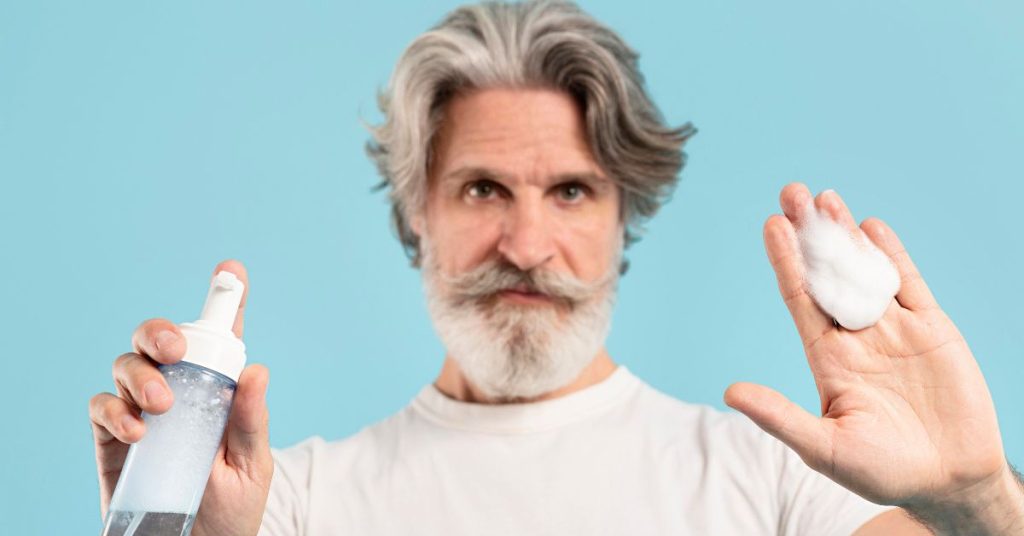
You do not have to choose just one. In fact, using both beard oil and beard butter is the secret weapon of men with incredibly soft, touchable beards. These products do not cancel each other out; they complement each other.
The key is the order of application. You must always apply oil first. Why? Because oil molecules are smaller. They need to reach the skin. If you put butter first, the thick butter will block the oil from getting through. You want to build a foundation, then seal it.
Here is the perfect routine for a soft beard using both products. First, wash your beard with a mild beard wash. Do not use harsh shampoos. Second, towel-dry your beard until it is damp, not soaking wet. Third, apply 3 to 6 drops of beard oil. Massage it deep into the skin. Use a boar bristle brush to distribute the oil.
Fourth, wait two minutes. Finally, scoop a pea-sized amount of beard butter. Rub it warm between your palms. Smooth it over the top and through the ends of your beard. This routine locks in hydration, softens the coarse hairs, and keeps your beard smelling great all day. It works for all climates, especially dry winters.
Which One is Right for Your Beard Length?

Your beard length is the biggest factor in the Beard Oil vs Beard Butter for Soft Beard decision. A one-size-fits-all approach does not work here. If you have a short beard (less than 1 inch), you should stick mostly to oil.
Short beards do not have enough weight to hold down heavy butters. If you put butter on a short beard, it will likely just sit on your skin and clog pores. The oil will absorb easily and keep the short hairs from poking you or your partner. It keeps the skin underneath healthy as the hair sprouts.
If you have a medium to long beard (1 inch to 6+ inches), you need butter. Long beards act like a wick. They pull moisture out and leave the hair dry and brittle. Oil alone is often too thin to condition the entire length of long hair. The oil runs off the hair and down to the skin, missing the middle and ends.
Beard butter sticks to the hair. It coats each strand from root to tip. This prevents split ends and “beard breakage.” If you want a long beard that remains soft and does not look like a bird’s nest, you must invest in a quality beard butter.
Read for more info: https://styleshears.com/barber-shop-hairstyle-inspiration/
Ingredients to Look For and Avoid
To achieve a soft beard, you must become a label reader. Not all products are created equal. High-quality products use natural ingredients. Cheap products use synthetic fillers and alcohols that dry out your face. For beard oil, look for Jojoba oil and Argan oil. These are the closest to your skin’s natural chemistry.
For beard butter, look for Unrefined Shea Butter or Mango Butter. These provide deep vitamins A and E. They heal the skin while softening the hair. Also, look for Beeswax in small amounts; it helps with the light hold without stiffness.
Avoid synthetic fragrances if you have sensitive skin. Natural essential oils like cedarwood or sandalwood are safer. If you use the wrong products, you might end up with more itch and breakage than when you started. Always choose “cold-pressed” and “unrefined” options when possible for maximum nutrient retention.
Seasonal Grooming: Winter vs Summer
Your grooming needs change with the weather. This is a crucial part of the Beard Oil vs Beard Butter for Soft Beard discussion. In the summer, your skin produces more natural oil. The air is humid. You do not need heavy products.
In fact, using beard butter in the summer might feel too heavy and cause breakouts. Stick to a lightweight beard oil during hot months. It will keep your beard soft without making you feel dirty. Oil is breathable.
In the winter, the game changes completely. Cold air outside and dry heat inside suck the life out of your beard. This is when beard butter shines. The thick consistency of butter acts as a shield. It protects your beard hairs from the harsh, dry air.
It prevents the “winter static” and flyaways that happen when hair is dehydrated. If you find your beard feels brittle in December, do not add more oil. Switch to heavy butter or layer butter over your oil. This creates a thermal barrier that keeps your beard soft and healthy even in freezing temperatures.
Conclusion: The Path to a Soft Beard
So, who wins the battle of Beard Oil vs Beard Butter for Soft Beard? The honest answer is both. They serve different purposes. If you have a short beard or just started growing one, buy a high-quality beard oil. It will stop the itch and keep the skin healthy.
If you have a long, thick, or curly beard that feels like straw, buy beard butter. It will tame the beast and make it touchable. For the ultimate softness, use both: oil first for the skin, butter second for the hair.
Do not suffer with a scratchy, uncomfortable beard any longer. The solution is easy. Analyze your beard length and your local climate. Pick the product that matches your needs. A soft beard is not a myth. It is a direct result of a consistent routine. Invest ten seconds a day into grooming, and you will reap the rewards of a soft, kissable, and confident look.
Frequently Asked Questions (FAQs)
1. Can I use beard butter every day?
Yes, you can use beard butter daily, especially if you have a long or coarse beard. However, if you have an oily skin type or a very short beard, using butter every day might clog your pores. For daily use, ensure you wash your beard thoroughly every night to prevent buildup. A pea-sized amount is usually enough for daily maintenance.
2. Will beard oil make my beard grow faster?
Beard oil does not contain magic growth potions. However, it creates a healthy environment for growth. By stopping itch and breakage, you stop scratching and pulling out hairs. Healthy, moisturized skin allows existing hairs to grow to their full potential without breaking off. Think of it as fertilizer, not a growth accelerator.
3. Does beard butter replace beard oil?
No, beard butter should not replace beard oil if you have dry skin. Oil penetrates the skin; butter sits on the hair. If you use only butter, your skin underneath might remain dry and flaky. For the best results and a truly soft beard, you should use oil to treat the skin and butter to condition the hair. They work best as a team.
4. Why does my beard feel rough even after using oil?
If your beard still feels rough after using oil, you likely need a product with more “weight.” Oils are great for short hair, but they evaporate quickly. Long, coarse hair needs the heavy moisture of **beard butter**. Butters (Shea, Cocoa) physically coat the rough edges of the hair shaft, making them feel smooth instantly. Switch to butter for that missing softness.
5. Can beard butter help with beard dandruff?
Yes, but indirectly. Beard dandruff (beardruff) is caused by dry skin under the beard. While beard oil is the best direct cure for dry skin, beard butter helps by locking moisture in. If you apply butter over the oil, it seals the hydration. This prevents the moisture from leaving your skin throughout the day, stopping flakes before they start.